
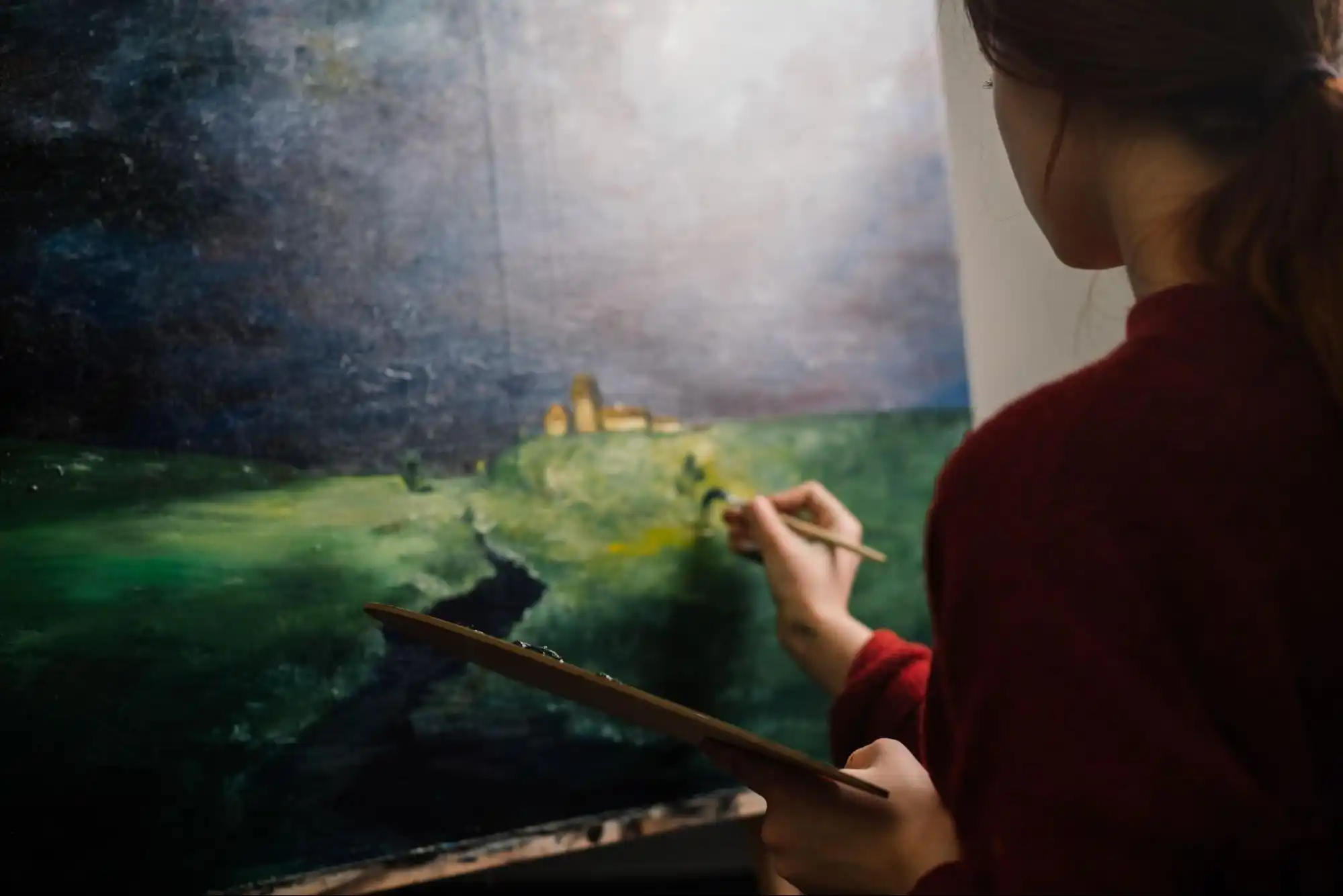
Art is a powerful medium of expression that transcends time and culture. Understanding its nuances requires more than just observing its surface; it demands a deep dive into its history. Studying art history provides invaluable insights into the visual arts, revealing the layers of meaning behind each brushstroke and sculpture. It helps us make sense of the world through the lens of creativity and cultural expression. This blog will explore the importance of studying art history, highlighting how it enhances our understanding of visual arts and enriches our appreciation of creative expression.
Understanding Art History
What is Art History?
Art history is the study of visual arts in their historical and cultural contexts. It encompasses a wide range of artistic expressions, from painting and sculpture to architecture and photography.
Definition and Scope of Art History
Art history examines not only the artworks themselves but also the social, political, and economic conditions that influenced their creation. It provides a framework for understanding how art evolves over time, reflecting the changing values and ideas of different societies.
Major Movements and Their Impact on Visual Arts
Throughout history, various art movements have emerged, each with its distinct characteristics and influences. For example, the Renaissance marked a significant shift towards realism and humanism, while modern art introduced abstraction and new media. Understanding these movements allows us to appreciate the technical and conceptual advancements that have shaped visual arts.
The Role of Context in Art
The context in which art is created plays a crucial role in its interpretation. Art does not exist in a vacuum; it is deeply intertwined with the cultural and historical circumstances of its time.
Historical and Cultural Influences on Art Creation
Artists draw inspiration from their surroundings, including political events, cultural traditions, and societal norms. For instance, the turmoil of World War II led to the emergence of art movements like Dada and Surrealism, which challenged traditional notions of beauty and meaning. By studying art history, we can better understand these influences and the messages embedded within the artworks.
How Context Shapes the Interpretation of Visual Arts
The meaning of an artwork can change depending on the viewer’s cultural background and historical knowledge. For example, a piece of art may resonate differently with someone who understands its historical context compared to someone who does not. Studying art history equips us with the tools to interpret visual arts more profoundly, recognizing the significance of context in shaping our perceptions.
Importance of Studying Art History
Gaining Insight into Artistic Techniques
Studying art history provides a window into the techniques and styles employed by artists throughout the ages.
Evolution of Styles and Methods
Art history reveals how techniques have evolved over time. For instance, the transition from the flat, stylized forms of medieval art to the three-dimensional realism of the Renaissance illustrates a significant shift in artistic practice. Recognizing these changes helps us appreciate the skill and innovation of artists as they responded to new ideas and technologies.
Influence of Technology on Art Production
Technological advancements have continually influenced art production. The invention of oil paint allowed for greater detail and vibrancy, while photography introduced new ways of seeing and representing the world. Understanding these technological influences enhances our appreciation of visual arts and the creative processes behind them.
Enhancing Visual Literacy
Visual literacy refers to the ability to interpret and make meaning from visual images. Studying art history fosters this skill, allowing us to engage with artworks on a deeper level.
Understanding Symbolism and Meaning in Art
Many artworks are imbued with symbolism that conveys complex ideas and emotions. For instance, the use of light and shadow in Caravaggio’s paintings not only enhances realism but also conveys deeper spiritual themes. By studying art history, we learn to decode these symbols and appreciate the layers of meaning within each piece.
Recognizing Artistic Choices and Their Implications
Artists make deliberate choices regarding color, composition, and technique, all of which contribute to the overall impact of their work. Understanding these choices allows us to engage critically with visual arts, fostering a deeper connection to the artwork and its message.
Art History as a Reflection of Society
Art as a Historical Document
Art serves as a historical document, providing insight into the values, beliefs, and struggles of different societies throughout time.
How Art Reflects Societal Values and Issues
Artworks often reflect the cultural and social issues of their time. For example, the Harlem Renaissance celebrated African American culture and identity in the face of racial discrimination. By studying these artworks, we gain insight into the historical context and the societal issues that influenced their creation.
The Role of Art in Political and Social Movements
Art has always played a crucial role in political and social movements. From the propaganda posters of World War I to contemporary street art addressing social justice, visual arts have been used to convey powerful messages and inspire change. Understanding this role helps us appreciate the impact of art on society and the ways in which it can challenge the status quo.
Diverse Perspectives in Art
Art history is enriched by diverse perspectives that reflect the varied experiences of different cultures and identities.
Representation and Identity in Visual Arts
Representation in art is crucial for acknowledging and valuing diverse identities. The study of art history highlights how marginalized voices have been expressed through visual arts, allowing for a broader understanding of human experience. This exploration fosters inclusivity and appreciation for the richness of cultural expression.
The Importance of Global Art Narratives
Art history should not be limited to Western narratives; it encompasses a global perspective. By studying art from different cultures, we can appreciate the unique contributions of various artistic traditions. This global approach enhances our understanding of visual arts and promotes cross-cultural dialogue.
Practical Applications of Art History Knowledge
Art History in the Professional World
A background in art history can open doors to various professional opportunities.
Careers in Art History and Cultural Institutions
Many careers in art history exist within museums, galleries, and cultural institutions. Positions such as curators, art educators, and cultural historians require a deep understanding of art history and its significance. Pursuing a career in this field allows individuals to contribute to the preservation and interpretation of art for future generations.
The Importance of Art History in Creative Industries
In the creative industries, knowledge of art history can inform artistic practice and innovation. Designers, filmmakers, and writers often draw inspiration from historical art movements, incorporating elements into their work. Understanding these influences can lead to more informed and meaningful creative expressions.
Personal Enrichment Through Art Appreciation
Studying art history enriches our personal lives, deepening our connection to visual arts.
Developing a Deeper Connection with Art
When we understand the historical context behind an artwork, we can form a more profound emotional connection with it. This appreciation enhances our experiences in galleries and museums, allowing us to engage with art on a personal level.
Cultivating Critical Thinking and Analytical Skills
The study of art history also fosters critical thinking and analytical skills. Analyzing artworks requires us to consider various factors, including context, technique, and symbolism. These skills extend beyond art appreciation, benefiting our overall cognitive development and enhancing our ability to engage with complex ideas in all areas of life.
Conclusion
In conclusion, studying art history is essential for understanding visual arts. It provides invaluable insights into the techniques, contexts, and societal influences that shape artistic expression. By appreciating the importance of art history, we not only enrich our understanding of visual arts but also cultivate a deeper connection to culture and creativity. As we explore the narratives behind artworks, we embrace the beauty of human expression and the power of art to inspire, challenge, and transform.
FAQs
How can studying art history benefit my career?
Studying art history can lead to diverse career opportunities in museums, galleries, and creative industries, equipping you with valuable skills in analysis, communication, and cultural understanding.
What are the essential periods in art history to study?
Key periods include the Renaissance, Baroque, Romanticism, Modernism, and Contemporary art, each offering unique insights into the evolution of artistic practice.
How does art history influence contemporary art practices?
Understanding historical movements and techniques informs contemporary artists, providing a foundation upon which they build their creative expressions and innovations.