Visiting modern art exhibits can be an exhilarating experience, filled with vibrant colors, innovative designs, and thought-provoking concepts. But did you know that the timing of your visit can significantly enhance your experience? In this blog post, we will delve into the best times to visit modern art exhibits, particularly when new collections are unveiled. We will explore factors such as seasonal trends, time of day, and even special events that can impact your visit.
Understanding Art Exhibit Timing
Art exhibit timing refers to the strategic choices you make regarding when to visit galleries and museums. This can include considerations of the season, specific days of the week, and the time of day. Understanding these factors can help you maximize your experience and enjoy the art to its fullest potential.
Why Timing Matters
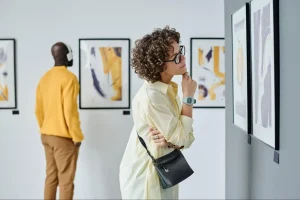
The timing of your visit can dramatically affect your experience. For instance, visiting during a peak season might mean larger crowds, which can detract from your ability to engage with the art. Conversely, visiting during a quieter period may allow you to immerse yourself in the artwork and connect with it on a deeper level.
Research and expert opinions suggest that the best time to visit modern art exhibits is during off-peak hours, especially when new collections are launched. This allows for a more intimate experience, where you can truly appreciate the nuances of the artwork without distractions.
Seasonal Considerations for Art Exhibits
Knowing the best seasons to visit modern art exhibits can enhance your experience. Here are some insights into how the seasons impact art exhibit timing.
Spring: A Season of Renewal
Spring is often regarded as one of the best times to visit modern art exhibits. Many museums and galleries unveil new collections during this season, coinciding with the arrival of warmer weather and a renewed sense of creativity. For example, the Museum of Modern Art (MoMA) in New York typically launches several exciting exhibits in March and April, making it a prime time for art enthusiasts.
Summer: Vibrant Experiences
Summer brings a plethora of art festivals and outdoor exhibits. Many galleries host special events, allowing visitors to enjoy art in a unique environment. The Venice Biennale, one of the most prestigious art exhibitions in the world, takes place during the summer months, attracting artists and art lovers from around the globe. This is a perfect time to explore contemporary art trends and engage with the global art community.
Fall: A Cultural Renaissance
Fall is another excellent time to visit modern art exhibits. As the school year begins, many institutions launch new exhibits to attract both students and families. This season often features a blend of new collections and retrospectives, allowing visitors to appreciate the evolution of contemporary art. The Frieze Art Fair in London, held in October, showcases cutting-edge artwork and emerging artists, making it a must-visit for art aficionados.
Winter: Introspection and Intimacy
While winter may not seem like the ideal time to visit art exhibits, it offers a unique opportunity for introspection. Many galleries are less crowded, allowing for a more personal connection with the art. Additionally, winter exhibitions often feature themed collections that encourage contemplation and reflection, making it an ideal time for those seeking a deeper understanding of modern art.
Day and Time Considerations for Visits
In addition to seasonal factors, specific days of the week and times of day can significantly impact your experience at modern art exhibits.
Weekdays vs. Weekends
Weekdays tend to be less crowded than weekends, making them an ideal time for art lovers to visit. If you can, plan your visit for a Tuesday or Wednesday morning when galleries are typically quieter. This not only allows for a more relaxed experience but also provides the chance to interact with gallery staff, who can offer insights and answer questions about the exhibits.
Early Morning or Late Afternoon
The time of day can also influence your visit. Early mornings are often the best time to explore modern art exhibits, as you’ll encounter fewer visitors and can enjoy the art in a peaceful setting. Alternatively, late afternoons can also provide a quieter experience, especially during the final hours before closing.
Special Events and Openings
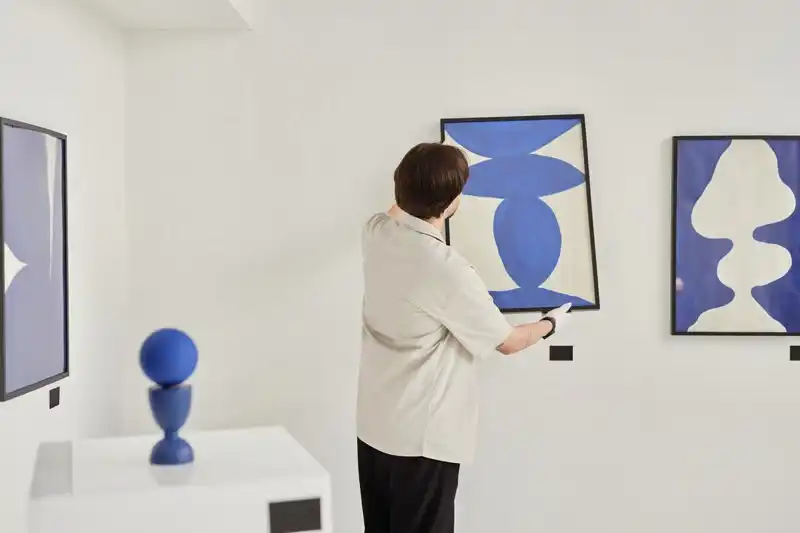
One of the most exciting aspects of visiting modern art exhibits is the opportunity to attend special events and openings. These occasions often feature artist talks, guided tours, and exclusive previews of new collections.
Exhibition Openings
Attending an exhibition opening can be a thrilling experience. These events often draw art enthusiasts, collectors, and critics, providing a vibrant atmosphere filled with discussions and networking opportunities. For instance, the opening of a new collection at the Tate Modern in London offers a chance to meet artists and curators, enriching your understanding of the artwork.
Art Fairs and Festivals
Art fairs and festivals present unique opportunities to experience a diverse range of modern art. Events like Art Basel and the Armory Show feature countless contemporary artists and galleries, making them ideal for discovering new trends and emerging talents. Visiting during these events not only exposes you to a wealth of art but also allows for engaging conversations with fellow art lovers and professionals.
Real-Life Examples of Art Exhibit Timing
To illustrate the importance of timing when visiting modern art exhibits, let’s consider a couple of real-life examples.
The Whitney Biennial
The Whitney Biennial is a renowned exhibition that showcases contemporary American art. Held every two years, it attracts thousands of visitors. Those who attend during the opening weekend experience a lively atmosphere filled with excitement and energy, while those who visit later enjoy a more tranquil and reflective experience. Both options offer unique perspectives on the art, demonstrating how timing can shape your visit.
The Guggenheim’s New Collections
The Guggenheim Museum in New York frequently launches new collections, often coinciding with specific times of the year. For instance, their winter exhibitions typically focus on themes of introspection and innovation. Visitors during the opening weeks may encounter a buzzing crowd, while those who wait a few weeks can enjoy a quieter visit, allowing for a deeper connection with the art.
Expert Insights on Art Exhibit Timing
To provide further depth to our discussion on art exhibit timing, we consulted experts in the field of art curation and museum studies. Their insights emphasize the importance of timing in enhancing the visitor experience.
Dr. Emily Carter, Art Historian
According to Dr. Emily Carter, “Understanding when to visit modern art exhibits can significantly enhance your experience. It’s not just about the artwork; it’s about the context in which you experience it. Attending during quieter times allows for deeper engagement and reflection.”
Mark Thompson, Museum Curator
Museum curator Mark Thompson echoes this sentiment, stating, “The timing of your visit can influence how you perceive the art. Whether it’s the bustling energy of an opening or the serene atmosphere of a weekday visit, each experience offers something unique.”
Conclusion
In conclusion, the timing of your visit to modern art exhibits can profoundly impact your experience. By considering seasonal trends, specific days, and special events, you can enhance your engagement with the art and create memorable experiences. Whether you choose to visit during the vibrant summer festivals or the reflective winter exhibitions, being mindful of art exhibit timing will allow you to connect with contemporary art in a more meaningful way.