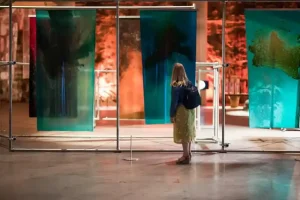
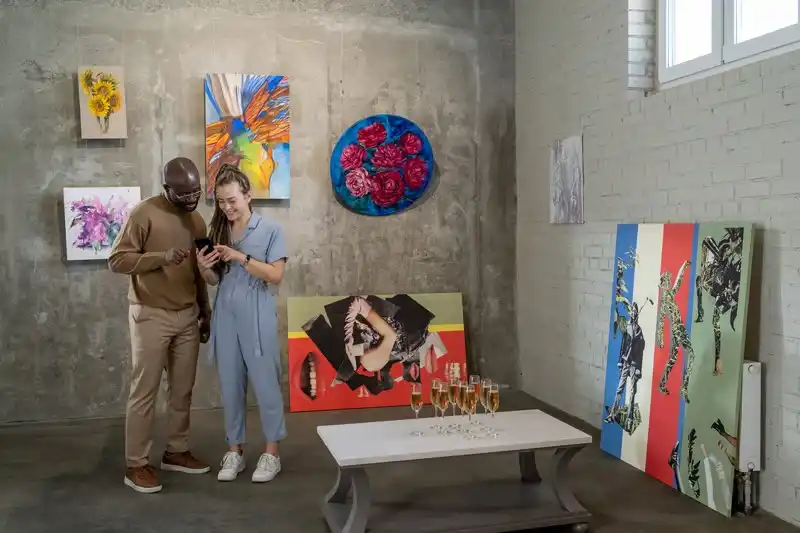
Breaking into the art world has always been challenging for emerging artists. Talent, creativity, and dedication are essential, but visibility often determines whether an artist’s work reaches a wider audience. In today’s competitive creative landscape, modern art exhibits have become powerful platforms where new artists can present their ideas, connect with industry professionals, and build meaningful careers.
For many creators, getting discovered is no longer limited to traditional galleries or famous institutions. Contemporary exhibitions, independent showcases, digital galleries, and community art events provide opportunities for artists to tell their stories and introduce their work to people who may never have encountered them otherwise. This type of art exhibit exposure can become a turning point, helping unknown artists move from creating privately to becoming recognized voices in the art community.
Modern exhibitions are not just spaces filled with paintings, sculptures, or installations. They are environments where conversations happen, ideas are exchanged, and artistic identities are developed. A single exhibition can introduce an artist to collectors, curators, critics, media professionals, and potential collaborators who can influence their future growth.
The Role of Modern Art Exhibits in Building Artist Visibility
Modern art exhibits create a bridge between emerging artists and audiences searching for fresh creative perspectives. Unlike simply sharing artwork online, physical exhibitions allow viewers to experience the emotions, textures, scale, and atmosphere behind an artist’s work. This personal connection often creates stronger impressions and increases the chances of long-term recognition.
Many successful artists began their journeys through smaller exhibitions before gaining international attention. These early opportunities allowed them to experiment, receive feedback, and develop relationships within the creative industry. Exhibition participation helps artists demonstrate professionalism because it shows their ability to present a complete body of work rather than individual pieces.
The value of art exhibit exposure comes from more than just displaying artwork. It creates credibility. When an artist’s work appears in a curated exhibition, it signals that their creative process and artistic vision have been recognized by someone within the art ecosystem. This recognition can help build trust among collectors and future opportunities.
How Exhibitions Help Emerging Artists Connect With the Right Audience
One of the biggest challenges for new artists is reaching people who genuinely appreciate their work. Social media platforms have made sharing art easier, but algorithms often determine who sees creative content. An artist may create exceptional work yet struggle to reach the right audience online.
Modern art exhibits solve this problem by bringing together people who are already interested in creativity, culture, and visual storytelling. Visitors attend exhibitions because they want to discover new ideas and artists. This creates a more focused environment where meaningful connections can develop.
For example, an emerging painter showcasing abstract work at a contemporary exhibition may meet a gallery owner searching for new talent. A digital artist presenting an interactive installation may attract attention from creative technology companies. These connections can lead to future collaborations, commissions, and professional growth.
Why Art Exhibit Exposure Matters for Career Development
Art careers are built through visibility, relationships, and reputation. While artistic skill remains the foundation, recognition often depends on whether people know an artist exists. Art exhibit exposure provides opportunities that extend beyond the exhibition itself.
When artists participate in exhibitions, they often gain professional materials such as photographs of their installations, media mentions, exhibition records, and reviews. These resources strengthen their portfolios and make future applications for galleries, grants, residencies, and creative programs more competitive.
A strong exhibition history also helps establish an artist’s professional identity. Collectors and organizations often look for artists who demonstrate consistency and commitment. Participating in curated shows shows that an artist is actively engaging with the broader art community.
The Influence of Contemporary Art Spaces on Emerging Talent
Contemporary art spaces have changed how new artists enter the creative industry. Traditional pathways once depended heavily on established galleries and academic networks, but modern exhibitions have created more inclusive opportunities.
Independent galleries, artist-run spaces, pop-up exhibitions, and cultural festivals often highlight experimental work that may not fit traditional expectations. These spaces allow emerging artists to introduce unique concepts and challenge existing artistic boundaries.
Many curators actively search these exhibitions for fresh perspectives. They are interested in artists who bring original ideas, cultural insights, and innovative techniques. This makes modern exhibitions valuable discovery points for future creative leaders.
Real-Life Examples of Artists Who Benefited From Exhibition Opportunities
Throughout art history, exhibitions have played an important role in transforming careers. Artists often gain recognition after their work reaches influential audiences through carefully selected exhibitions.
For example, contemporary artist Yayoi Kusama gained global recognition through immersive exhibitions that allowed audiences to experience her unique artistic vision. Her large-scale installations created emotional connections with viewers and demonstrated how exhibition environments can influence public perception.
Similarly, many emerging artists today use international art fairs, museum programs, and independent exhibitions to build visibility. These platforms provide opportunities to communicate ideas directly with audiences rather than depending only on traditional representation.
How Digital Transformation Has Expanded Exhibition Opportunities
Technology has significantly changed how artists gain recognition. Virtual exhibitions, online galleries, and digital showcases have expanded access for creators around the world. Artists who may not have access to major cultural centers can now present their work internationally.
However, physical exhibitions still hold unique value because they create direct human experiences. The combination of digital visibility and physical presentation creates stronger opportunities for emerging artists to develop their reputation.
Modern artists increasingly combine online platforms with traditional exhibitions. They may build an audience through digital content and then use exhibitions to create deeper relationships with collectors and art enthusiasts.
The Importance of Networking During Art Exhibitions
Networking is one of the most valuable outcomes of participating in exhibitions. Many opportunities in the art world develop through conversations and relationships rather than formal applications alone.
Artists who attend exhibitions can interact with curators, fellow creators, collectors, and cultural professionals. These conversations may lead to invitations, collaborations, or recommendations that influence future career paths.
Successful artists often understand that exhibitions are not only about presenting finished artwork. They are also about becoming part of a creative community. Building relationships helps artists stay connected to opportunities and industry developments.
Expert Insights on Exhibition-Based Recognition
Art professionals often emphasize that visibility and consistency are essential for emerging artists. According to creative industry researchers, recognition usually develops through repeated exposure rather than a single moment of success.
Curators frequently look for artists who demonstrate a clear artistic direction and continued development. Exhibitions allow them to observe how artists communicate ideas, engage audiences, and contribute to contemporary conversations.
This is why art exhibit exposure remains valuable. It creates repeated opportunities for audiences and professionals to discover, understand, and remember an artist’s work.
Continuing: Can Modern Art Exhibits Help Emerging Artists Gain Recognition?
How Curated Exhibitions Create Professional Credibility
For emerging artists, credibility can be one of the hardest things to establish. Many talented creators produce exceptional work but struggle to convince galleries, collectors, and audiences that their artistic journey deserves attention. Curated exhibitions help solve this challenge by providing a professional environment where an artist’s work is selected, organized, and presented within a meaningful context.
A curated exhibition adds a layer of recognition because it usually involves art professionals who evaluate concepts, techniques, and artistic value. When an artist becomes part of such an exhibition, it demonstrates that their work connects with broader creative conversations. This kind of validation can strengthen an artist’s reputation and increase future opportunities.
The impact of art exhibit exposure is especially important during the early stages of an artist’s career. A new artist may not have years of experience, but a successful exhibition record can show commitment, creativity, and professional growth. Collectors and organizations often consider these factors when discovering new talent.
The Connection Between Exhibitions and Collector Interest
Collectors are always searching for unique artistic voices, and exhibitions provide a valuable environment for discovering them. Unlike online browsing, where thousands of artworks compete for attention, exhibitions create focused experiences where viewers can understand an artist’s message and creative approach.
When collectors attend modern art exhibitions, they are not only looking for visually appealing pieces. They often want to learn about the artist’s background, inspiration, and future potential. Exhibitions allow artists to communicate these elements directly through conversations, artist statements, and presentations.
Strong art exhibit exposure can increase the chances of an artist’s work being purchased or featured in private collections. A single connection with a collector can sometimes lead to long-term support, including future purchases, recommendations, and introductions within the art community.
The Role of Media Coverage in Artist Recognition
Media attention can significantly influence how quickly an emerging artist becomes recognized. Exhibitions often attract journalists, bloggers, art reviewers, and cultural publications searching for new stories.
When an artist receives coverage through an exhibition, it creates additional visibility beyond the event itself. Articles, interviews, reviews, and social media mentions can introduce the artist to audiences who were unable to attend the exhibition personally.
In the modern creative economy, online visibility plays a major role in building reputation. A well-covered exhibition can improve an artist’s digital presence, making it easier for people to discover their portfolio and follow their future work.
Can Small Local Exhibitions Create Big Opportunities?
Many emerging artists assume that only famous international exhibitions can create meaningful recognition. However, smaller local exhibitions often provide some of the most valuable early opportunities.
Community art shows, university exhibitions, independent galleries, and cultural events can help artists develop confidence, receive feedback, and create professional connections. These smaller platforms often provide a more personal environment where visitors spend more time engaging with artwork.
Many established artists started by participating in small exhibitions before reaching larger platforms. The experience gained from these early opportunities helps artists refine their presentation skills, understand audience reactions, and develop stronger creative identities.
How Social Media and Exhibitions Work Together for Modern Artists
Social media has transformed the way artists promote their work, but exhibitions still provide something digital platforms cannot fully replace: real-world interaction. The strongest strategies often combine online visibility with physical exhibition experiences.
An artist may attract followers through platforms like visual-sharing networks and then invite those followers to exhibitions where they can experience the artwork in person. This combination creates deeper connections and strengthens audience loyalty.
Today’s artists often use exhibitions as content opportunities as well. Photos, videos, interviews, and behind-the-scenes moments from exhibitions can continue generating attention long after the event ends. This extends the value of art exhibit exposure beyond the physical location.
Challenges Emerging Artists May Face With Exhibitions
Although exhibitions provide valuable opportunities, emerging artists may face challenges such as competition, financial limitations, and difficulty finding suitable platforms. Not every exhibition automatically creates recognition, and success often depends on choosing events that match an artist’s style and goals.
Artists should carefully research exhibition opportunities and focus on quality rather than simply participating in every available event. A thoughtfully selected exhibition can create stronger impact than multiple unrelated appearances.
Preparation also matters. Professional presentation, clear artist statements, high-quality documentation, and effective communication can influence how audiences and professionals perceive an artist’s work.
The Future of Art Exhibitions and Emerging Artist Recognition
The future of modern art exhibitions continues to evolve with technology, globalization, and changing audience expectations. Hybrid exhibitions that combine physical and digital experiences are creating new possibilities for artists worldwide.
Artificial intelligence, virtual reality, interactive installations, and digital art platforms are expanding what exhibitions can become. These innovations allow emerging artists to experiment with new formats and reach audiences beyond geographical limitations.
As the art industry continues changing, visibility will remain one of the most important factors for creative success. Artists who combine strong artistic vision with strategic exhibition participation will have greater opportunities to build recognition.
Final Thoughts: Why Art Exhibit Exposure Can Transform Emerging Artists’ Careers
Modern art exhibits can play a powerful role in helping emerging artists gain recognition. They provide opportunities to showcase creativity, build professional relationships, attract collectors, and establish credibility within the art world.
While talent is the foundation of every artistic career, visibility determines how many people experience and remember that talent. Through meaningful exhibitions, artists can transform personal creativity into public recognition.
The journey from an unknown creator to a recognized artist rarely happens overnight. It requires persistence, networking, continuous improvement, and the right opportunities. Art exhibit exposure creates one of those important opportunities by connecting artists with the people, communities, and platforms that can support their growth.
For emerging artists, exhibitions are more than displays of artwork. They are gateways to conversations, collaborations, and career development. In an increasingly competitive creative world, participating in the right exhibitions can become a defining step toward long-term recognition.
Frequently Asked Questions
1. How do modern art exhibits help emerging artists gain recognition?
Modern art exhibits help emerging artists gain recognition by providing platforms where their work can be seen by audiences, collectors, curators, and industry professionals. These exhibitions create opportunities for networking, media attention, portfolio development, and building credibility. Through consistent art exhibit exposure, artists can increase visibility and develop stronger professional identities.
2. Is participating in small art exhibitions valuable for new artists?
Yes, small art exhibitions can be extremely valuable for new artists because they provide early opportunities to showcase work, receive feedback, and connect with creative communities. Local exhibitions often help artists develop confidence and experience. Many successful artists began with smaller showcases before gaining attention from larger galleries and international audiences.
3. Can online exhibitions replace physical art exhibitions?
Online exhibitions provide valuable global access, but they cannot completely replace physical exhibitions. Physical spaces allow viewers to experience artwork’s scale, texture, and emotional impact. The strongest approach for modern artists is often combining digital platforms with traditional exhibitions to maximize visibility and audience connection.
4. How can artists maximize the benefits of exhibition participation?
Artists can maximize exhibition benefits by choosing relevant exhibitions, preparing professional presentations, creating strong portfolios, and actively networking with visitors and professionals. Following up after exhibitions is also important because relationships developed during these events can lead to future collaborations, gallery opportunities, and career growth.
5. Why is art exhibit exposure important in today’s competitive art world?
Art exhibit exposure is important because the modern art world is highly competitive, and talented artists need visibility to stand out. Exhibitions provide opportunities for recognition, professional connections, and audience engagement. They help transform creative work from a private practice into a public conversation that can support long-term artistic success.