Modern art has always served as a mirror reflecting the complexities of human experience, societal changes, and cultural shifts. From the bold strokes of Abstract Expressionism to the intricate installations of contemporary artists, modern art exhibits provide a crucial lens through which we can explore and understand visual culture. These exhibits are not merely displays of aesthetic appeal; they are vital spaces for dialogue, learning, and emotional connection. In this blog post, we will delve into the importance of modern art exhibits, examining how they shape our understanding of visual culture and enrich our lives.
The Role of Modern Art Exhibits in Society
Reflecting Cultural Shifts
Modern art exhibits play a significant role in capturing and reflecting societal changes. Art has always been a powerful vehicle for commentary, and artists often use their work to address pressing social issues. For instance, the emergence of Dadaism during World War I illustrated the disillusionment of a generation grappling with the horrors of war. This movement challenged traditional notions of art and beauty, reflecting a society in turmoil.
Moreover, modern art movements such as Feminism and Postcolonialism have provided platforms for artists to explore identity, race, and gender dynamics. Through their works, these artists highlight the struggles and triumphs of marginalized groups, offering insights into the broader cultural landscape. A visit to a modern art exhibit can be a thought-provoking experience, prompting visitors to engage with the cultural narratives that shape our world.
A Space for Dialogue and Expression
Modern art exhibits serve as essential platforms for dialogue and expression, giving voice to underrepresented communities and fostering discussions on critical social issues. Many contemporary artists use their work to challenge societal norms and provoke thought, inviting viewers to consider alternative perspectives.
Interactive exhibits, in particular, enhance visitor engagement by encouraging participation and dialogue. For example, the “Infinity Room” installations by Yayoi Kusama invite viewers to step inside a mirrored space filled with lights, creating an immersive experience that sparks conversation about perception, infinity, and the self. Such experiences allow visitors to connect with the art on a personal level and reflect on their own identities.
The Educational Value of Modern Art Exhibits
Learning Through Experience
Modern art exhibits offer invaluable educational opportunities for visitors of all ages. Many galleries and museums provide guided tours and workshops, allowing attendees to explore the art in a more structured and informative manner. These educational programs often feature experts who can share insights into the techniques, themes, and historical contexts of the artworks.
Collaborations with educational institutions further enhance the educational value of modern art exhibits. Schools and universities often partner with galleries to provide students with hands-on learning experiences, fostering an appreciation for art and its relevance to contemporary society. Such initiatives not only enrich students’ understanding of visual culture but also encourage creative thinking and expression.
Visual Literacy and Critical Thinking
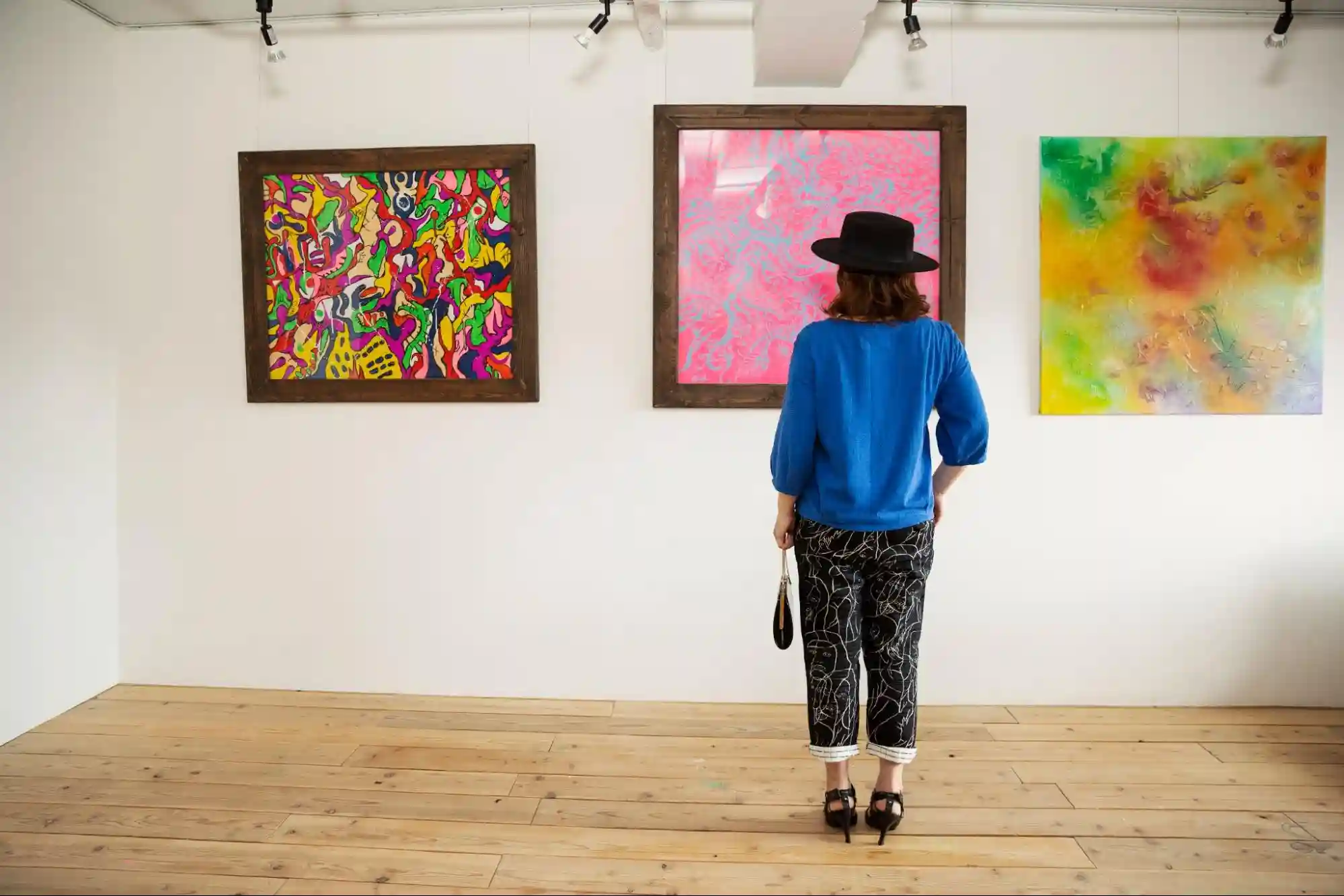
Engaging with modern art helps develop visual literacy and critical thinking skills. As visitors navigate through exhibits, they learn to interpret and analyze visual information, enhancing their ability to understand complex messages conveyed through art. This process encourages personal reflection, allowing individuals to connect their own experiences with the themes presented in the artwork.
For instance, an exhibit featuring the works of artists like Frida Kahlo can prompt discussions about identity, feminism, and cultural heritage. Visitors might find themselves contemplating their own narratives in relation to Kahlo’s exploration of pain and self-discovery. This kind of engagement fosters a deeper understanding of both the art and the viewer’s personal context.
The Emotional Connection to Art
Art as a Reflection of Human Experience
Art has a unique ability to evoke emotions and memories, making it a powerful tool for understanding the human experience. Modern art exhibits often explore themes of love, loss, joy, and sorrow, resonating with visitors on a personal level. The emotional connection fostered by art can lead to catharsis, healing, and self-discovery.
Many individuals find solace in art during challenging times. For example, the works of contemporary artists like Tracey Emin, known for her deeply personal and confessional style, can resonate with viewers who have experienced similar struggles. This emotional connection can foster a sense of community among visitors, as they share their reactions and interpretations of the artwork.
Community Building Through Art
Modern art exhibits also play a crucial role in community building. They provide spaces where diverse groups can come together to appreciate and discuss art, fostering connections and understanding among individuals from different backgrounds. Community-oriented events, such as art fairs and open studios, create opportunities for local artists to showcase their work while engaging with their audience.
Art has the power to unite and inspire, as evidenced by the response to social movements that have gained momentum through visual art. The Black Lives Matter movement, for example, has been amplified by powerful street art and murals that convey messages of resistance and solidarity. These artistic expressions not only raise awareness but also encourage collective action, demonstrating the impact of art on community identity.
The Future of Modern Art Exhibits
Innovations in Exhibit Design
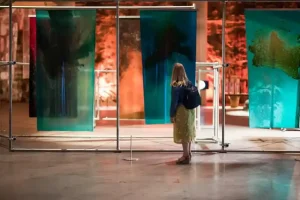
As technology continues to evolve, modern art exhibits are embracing innovative design concepts to enhance the visitor experience. The integration of technology in exhibits allows for immersive and interactive experiences that engage audiences in new ways. Virtual reality (VR) and augmented reality (AR) have transformed how we experience art, offering dynamic ways to explore and interact with artworks.
For instance, the “The Obliteration Room” by Yayoi Kusama allows visitors to contribute to the artwork by placing colorful dot stickers throughout a white room. This interactive experience not only changes the physical space but also invites participants to reflect on their relationship with the art and the environment. Such innovations add depth to the viewing experience and encourage visitors to engage with art in novel ways.
Sustainability and Accessibility
Modern art exhibits are also increasingly focused on sustainability and accessibility. As awareness of environmental issues grows, many galleries and museums are adopting eco-friendly practices in their exhibit design and operations. This commitment to sustainability is reflected in the materials used for displays, waste management practices, and energy-efficient technologies.
Moreover, making art accessible to diverse demographics is essential for fostering a more inclusive art world. Many modern art institutions are working to eliminate barriers that prevent individuals from experiencing art. This includes offering free admission days, providing resources for individuals with disabilities, and creating programming that resonates with various cultural backgrounds. By prioritizing accessibility, modern art exhibits can reach a broader audience and ensure that art remains a vital part of public discourse.
Conclusion
In conclusion, modern art exhibits are not just displays of creativity; they are essential for understanding visual culture. They reflect cultural shifts, provide spaces for dialogue and expression, and offer educational opportunities that enrich our understanding of art and society. Through emotional connections and community building, modern art fosters a deeper appreciation for the complexities of the human experience. As we look to the future, the continued evolution of modern art exhibits will undoubtedly shape our understanding of visual culture, making it imperative for us to engage with and support these vital artistic spaces.
FAQs
How do modern art exhibits influence public perception of art?
Modern art exhibits challenge traditional notions of art and encourage diverse interpretations, influencing how the public perceives and engages with artistic expression.
What are some famous modern art movements to explore?
Some notable movements include Abstract Expressionism, Surrealism, and Pop Art, each offering unique insights into different cultural perspectives.
How can I find local modern art exhibits to attend?
Many cities have dedicated art districts and galleries that host regular exhibitions. Checking local cultural calendars or museum websites is a great way to stay informed about upcoming events.