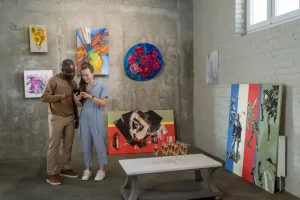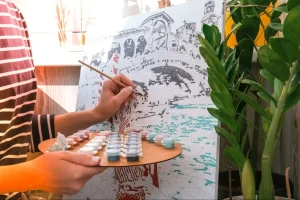

Contemporary art is a vibrant and dynamic field that reflects the complexities of our modern world. It serves as a powerful medium through which artists express their thoughts, feelings, and responses to contemporary issues. Understanding who contemporary artists are and what defines their work is essential for appreciating the art that shapes our society today. In this exploration, we will delve into the characteristics that define contemporary artists, the themes they explore, and the innovative techniques they employ, as well as highlight some notable figures in the contemporary art scene.
Defining Contemporary Artists
Who Are Contemporary Artists?
Contemporary artists are individuals who create art that reflects current ideas, issues, and experiences. They are often characterized by their willingness to experiment with new forms, mediums, and concepts. Unlike artists from previous eras, contemporary artists do not conform to traditional definitions of art; instead, they embrace a broad spectrum of practices that challenge conventions and provoke thought.
Characteristics that Define Contemporary Artists
Contemporary artists often share several key characteristics. They tend to be highly diverse in terms of background, culture, and artistic approach. Many contemporary artists draw inspiration from personal experiences and societal contexts, allowing their work to resonate on multiple levels. Additionally, they frequently engage with technology, incorporating digital tools and platforms into their creative processes. This adaptability and openness to new ideas are hallmarks of contemporary art.
The Diversity of Contemporary Art Practices
The contemporary art landscape is rich with diversity. Artists today explore a wide range of mediums, including painting, sculpture, installation, performance, and digital art. This variety reflects the multifaceted nature of contemporary society, where issues of identity, culture, and technology intersect. For instance, some artists utilize traditional techniques while integrating modern elements, blurring the lines between old and new.
Historical Context
To appreciate contemporary art fully, it is essential to understand its historical context. The transition from modern to contemporary art marks a significant shift in artistic philosophy and practice.
The Transition from Modern to Contemporary Art
Modern art, which emerged in the late 19th and early 20th centuries, was characterized by movements such as Impressionism, Cubism, and Surrealism. These movements sought to break away from traditional artistic conventions and explore new ways of seeing and representing the world. Contemporary art builds upon this foundation while responding to the complexities of the present day. It is not confined to a specific style or movement but encompasses a broad range of expressions that reflect the ever-changing nature of society.
Influential Movements Shaping Contemporary Art
Several influential movements have played a pivotal role in shaping contemporary art. Postmodernism, for example, challenged the notion of a singular narrative in art, leading to an embrace of pluralism and diversity. Additionally, movements like Feminism and Environmentalism have inspired artists to address social and political issues through their work. These influences continue to resonate in contemporary art, encouraging artists to engage with relevant themes and ideas.
Themes and Techniques in Contemporary Art
Common Themes Explored by Contemporary Artists
Contemporary artists often explore themes that reflect the complexities of modern life. These themes are not only relevant but also resonate with audiences on a personal level.
Identity and Social Issues
One of the most prominent themes in contemporary art is identity. Artists frequently examine issues related to race, gender, sexuality, and cultural heritage. Through their work, they challenge stereotypes and provoke discussions about societal norms. For instance, artists like Kehinde Wiley use portraiture to highlight the experiences of marginalized communities, celebrating their identities while confronting the historical absence of representation in art.
Technology and Its Impact on Art
The rapid advancement of technology has also significantly influenced contemporary art. Many artists explore the relationship between technology and society, examining how digital tools shape our experiences and perceptions. The rise of social media has created new platforms for artistic expression and engagement, allowing artists to reach wider audiences than ever before. This exploration of technology often leads to thought-provoking discussions about the implications of our increasingly digitized lives.
Innovative Techniques and Mediums
Contemporary artists are known for their innovative use of techniques and mediums, pushing the boundaries of traditional art forms.
The Use of Mixed Media
Many contemporary artists embrace mixed media, combining various materials and techniques to create layered, complex works. This approach allows for greater creative expression and invites viewers to engage with art in multifaceted ways. For instance, artists like Robert Rauschenberg incorporated found objects and materials into their work, challenging conventional notions of what art can be.
Digital Art and Its Rise
Digital art has emerged as a dominant force in contemporary practice. Artists are increasingly using digital tools to create stunning visual experiences, from digital painting to interactive installations. This shift not only reflects the technological landscape of today but also opens up new avenues for creativity. Artists like Rafael Lozano-Hemmer utilize technology to create immersive experiences that engage viewers in unique and interactive ways.
Notable Contemporary Artists
Profiles of Influential Contemporary Artists
Several contemporary artists have made significant contributions to the art world, shaping the discourse around contemporary issues through their work.
Ai Weiwei: Art as Activism
Ai Weiwei is a Chinese artist and activist known for his powerful commentary on political and social issues. His work often addresses themes of freedom, human rights, and the relationship between individuals and authority. Through installations, sculptures, and public art, Ai Weiwei challenges viewers to confront uncomfortable truths about society. His iconic piece, “Sunflower Seeds,” invites reflection on mass production and individual agency, encouraging dialogue about the value of human experience.
Yayoi Kusama: The Power of Obsession
Yayoi Kusama, a Japanese artist, is celebrated for her immersive installations and distinct visual language. Her work often explores themes of infinity, obsession, and self-identity. Through her signature polka dots and mirrored rooms, Kusama creates environments that invite viewers to confront their own existence and perceptions. Her art transcends traditional boundaries, offering an emotional and psychological journey that resonates deeply with audiences.
Emerging Artists to Watch
The contemporary art scene is constantly evolving, with new voices emerging to challenge the status quo. These artists bring fresh perspectives and innovative approaches to their work.
New Voices in the Contemporary Art Scene
Emerging artists are redefining the boundaries of contemporary art, often addressing pressing social issues and personal narratives. Artists like Tschabalala Self utilize their work to explore themes of race, gender, and identity, while others like Firelei Báez delve into cultural heritage and history. These new voices enrich the contemporary art landscape, pushing for greater representation and inclusivity.
Trends in the Next Generation of Artists
The next generation of artists is also embracing technology and interdisciplinary approaches. Many are utilizing social media to connect with audiences and share their work in innovative ways. This trend not only democratizes art but also fosters a sense of community among artists and viewers. As these emerging artists continue to make their mark, they will undoubtedly shape the future of contemporary art.
The Role of Contemporary Art in Society
Art as a Reflection of Current Issues
Contemporary art serves as a powerful lens through which we can examine current issues facing society. Artists often respond to political and social movements, using their work to raise awareness and provoke thought.
How Contemporary Art Addresses Political and Social Movements
Many contemporary artists take an activist stance, using their work to address pressing social issues such as climate change, inequality, and human rights. Art has the power to engage audiences in discussions about these topics, fostering awareness and encouraging action. For example, artists like Banksy use street art to comment on political issues, challenging viewers to reconsider their perspectives.
The Role of Public Art in Community Engagement
Public art plays a vital role in community engagement, transforming urban spaces into sites of dialogue and reflection. Artists often collaborate with communities to create works that resonate with local issues and experiences. This collaborative approach not only beautifies public spaces but also fosters a sense of belonging and connection among community members.
The Impact of Contemporary Art on Culture
Contemporary art significantly influences culture, shaping public discourse and encouraging critical thinking.
Shaping Public Discourse Through Art
Art has the unique ability to reflect and shape public discourse. Contemporary artists often address controversial topics, pushing viewers to confront uncomfortable truths. Through their work, they encourage discussions that can lead to social change and greater understanding. By engaging with contemporary art, individuals can gain insights into the complexities of modern life and the diverse perspectives that shape our world.
The Intersection of Art and Activism
The intersection of art and activism is increasingly prominent in contemporary practice. Artists are using their platforms to advocate for social justice, environmental sustainability, and human rights. This blending of art and activism not only amplifies important messages but also inspires collective action. As contemporary artists continue to engage with pressing issues, their work will remain a vital force for change.
Conclusion
Contemporary artists play a crucial role in shaping the cultural landscape, reflecting the complexities of modern society through their work. By understanding who these artists are and what defines their artistic practices, we can gain valuable insights into the world around us. From exploring themes of identity and social issues to employing innovative techniques and mediums, contemporary artists invite us to engage with their work on multiple levels. As we continue to engage with contemporary art, we not only enrich our own lives but also contribute to a broader dialogue about the issues that matter most today.
FAQs
What distinguishes contemporary art from modern art?
Contemporary art differs from modern art in that it encompasses a broader range of styles and practices, often addressing current issues and experiences.
How do contemporary artists influence social change?
Contemporary artists use their work to address pressing social issues, engaging audiences in discussions that can lead to increased awareness and action.
Where can I find contemporary art exhibitions?
Contemporary art exhibitions can be found in galleries, museums, and public spaces; checking local cultural calendars and websites is a great way to stay informed.