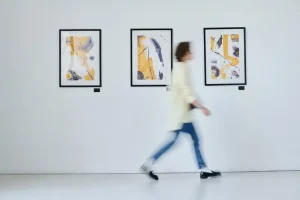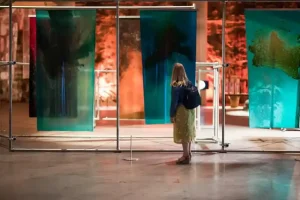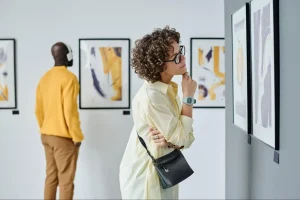

Modern art exhibits have become far more than quiet gallery visits filled with abstract paintings and silent rooms. Today, they are immersive cultural experiences that blend creativity, emotion, storytelling, and technology into unforgettable moments. Across cities around the world, museums and independent galleries are transforming the way people interact with art. Visitors no longer simply observe artwork from a distance. They walk through installations, engage with digital displays, listen to soundscapes, and sometimes even become part of the artistic experience itself.
The appeal of modern art exhibits continues growing because contemporary audiences crave experiences that feel personal and emotionally engaging. Art has the power to challenge perspectives, spark conversations, and create meaningful memories. Whether someone is deeply passionate about contemporary creativity or simply curious about local cultural events, modern art spaces offer an opportunity to explore ideas in ways that traditional entertainment often cannot.
Modern art also reflects the world people live in today. Themes such as identity, technology, climate change, politics, mental health, and social transformation frequently appear in contemporary exhibitions. This emotional relevance helps modern art feel alive and connected to everyday experiences. As a result, finding the best modern art exhibits near you has become an exciting journey filled with discovery, inspiration, and creative exploration.
Understanding What Defines Modern Art Exhibits
How Modern Art Differs From Traditional Art Styles
Modern art exhibits often surprise first-time visitors because they look very different from traditional galleries focused on classical paintings or historical sculptures. Traditional art usually emphasizes realism, formal techniques, and historical themes. Modern and contemporary art, however, prioritize interpretation, experimentation, and emotional expression.
Artists working in modern spaces frequently use unconventional materials and methods. Paint may appear chaotic rather than precise. Sculptures may incorporate recycled objects, digital screens, sound effects, or moving parts. Some works may not resemble recognizable objects at all, yet still communicate powerful emotional or social messages.
This freedom allows modern artists to challenge conventional expectations. Instead of telling viewers exactly what to think, many exhibits encourage personal interpretation. One person may view a piece as hopeful, while another experiences sadness or discomfort. That emotional openness is part of what makes modern art exhibits so compelling.
The Rise of Interactive and Immersive Installations
One of the most exciting developments in contemporary art is the rise of immersive installations. These exhibits transform entire rooms into artistic environments filled with lights, projections, music, textures, and interactive elements. Visitors do not simply view the artwork. They move through it physically and emotionally.
Immersive exhibits have become especially popular because they combine visual storytelling with technology and sensory experiences. Digital projection rooms, mirror installations, interactive walls, and virtual reality spaces create unforgettable moments that attract visitors of all ages.
This shift reflects changing audience expectations. People increasingly seek experiences rather than passive observation. Modern art exhibits now blend creativity, entertainment, and emotional connection in ways that feel deeply engaging and memorable.
Why Local Art Exhibits Matter More Than Ever
Supporting Creative Communities and Independent Artists
Local art exhibits play a vital role in supporting creative communities. Independent artists often rely on galleries, community spaces, and cultural organizations to showcase their work and connect with audiences. By attending modern art exhibits, visitors contribute directly to the growth of local creative industries.
Art spaces also strengthen communities by bringing people together through shared cultural experiences. Exhibitions create opportunities for conversations, collaboration, and creative exchange. Emerging artists gain visibility, while audiences discover fresh perspectives and unique voices that may not yet appear in major international museums.
Supporting local exhibits can also have economic benefits. Galleries, cafes, bookstores, and nearby businesses often benefit from increased visitor activity during popular exhibitions and cultural events.
How Exhibits Reflect Social and Cultural Trends
Modern art exhibits frequently mirror the emotions and concerns of society. Artists respond to current events, technological change, political movements, and cultural conversations through their work. This makes exhibitions feel highly relevant to contemporary life.
In recent years, many exhibits have explored themes such as climate anxiety, social justice, digital identity, migration, isolation, and mental wellness. These subjects resonate strongly with audiences because they reflect shared human experiences.
Art exhibitions often become spaces for reflection and dialogue. Visitors leave not only entertained but also emotionally moved or intellectually challenged. This deeper engagement explains why contemporary exhibits continue attracting diverse audiences worldwide.
The Best Ways to Find Modern Art Exhibits Near You
Using Digital Platforms and Museum Websites
Finding modern art exhibits has become much easier thanks to digital platforms and online event calendars. Museums, galleries, and cultural centers regularly update their websites with information about current and upcoming exhibitions. Many sites also include virtual previews, artist interviews, and ticket booking options.
Online event platforms allow users to search by location, category, or date. This helps people discover exhibitions they may never have encountered otherwise. Museum newsletters and gallery memberships also provide early access to special events and exclusive openings.
Many art institutions now invest heavily in digital marketing because they understand that online visibility directly influences attendance. As a result, modern art enthusiasts can explore countless exhibitions from their phones or laptops within minutes.
Social Media and Art Communities as Discovery Tools
Social media has transformed the art world dramatically. Platforms like Instagram, TikTok, and Pinterest allow galleries and artists to share visually striking content that reaches global audiences instantly. Many people now discover modern art exhibits through viral posts, influencer recommendations, or location tags.
Art-focused communities online also help visitors find hidden gems and lesser-known exhibitions. Independent creators frequently promote underground galleries, temporary installations, and experimental art spaces that traditional advertising may overlook.
Following local museums, curators, and artists on social media can provide a constant stream of inspiration and updates about exciting cultural events happening nearby.
Exploring Museums, Galleries, and Alternative Art Spaces
Traditional Museums Versus Independent Galleries
Museums and independent galleries offer very different art experiences. Large museums often feature internationally recognized artists, carefully curated exhibitions, and extensive educational programs. These institutions provide historical context and large-scale presentations that attract broad audiences.
Independent galleries, on the other hand, often focus on emerging artists and experimental concepts. These smaller spaces may feel more intimate and personal. Visitors often have opportunities to meet artists directly and engage with more unconventional creative work.
Both environments offer valuable experiences. Museums provide cultural depth and prestige, while independent galleries often showcase raw creativity and innovation.
Pop-Up Exhibits and Underground Art Experiences
Pop-up exhibits have become increasingly popular in modern art culture. These temporary spaces appear in warehouses, abandoned buildings, outdoor areas, and unconventional locations. Their limited availability creates excitement and urgency among visitors.
Underground art spaces also offer unique experiences outside mainstream institutions. These exhibits often push creative boundaries and experiment with bold themes or interactive concepts. Many younger audiences are drawn to these alternative environments because they feel authentic and culturally vibrant.
The temporary nature of pop-up exhibitions also encourages exploration. Visitors often feel they are experiencing something exclusive and fleeting.
How Traveling Exhibitions Bring Global Art Closer
International Artists in Local Spaces
Traveling exhibitions allow audiences to experience internationally acclaimed artwork without leaving their city. Major museums frequently collaborate to bring collections and installations across countries and continents.
This accessibility expands cultural exposure and allows local audiences to engage with global artistic movements. Visitors may experience works from artists they previously encountered only in books or online media.
International exhibits also encourage cultural understanding by presenting diverse perspectives, traditions, and creative approaches from around the world.
Why Limited-Time Exhibits Create Excitement
Limited-time exhibitions generate anticipation because visitors know the experience will not last forever. This sense of urgency often increases attendance and media attention.
Temporary exhibits also allow museums and galleries to refresh their spaces regularly. Returning visitors encounter new ideas, artists, and immersive experiences each season. This constant evolution keeps modern art spaces dynamic and culturally relevant.
What to Look for in a Great Modern Art Exhibit
Curatorial Vision and Storytelling
A strong curatorial vision often separates memorable exhibits from forgettable ones. Curators shape the narrative of an exhibition by selecting artworks, arranging spaces, and guiding emotional flow throughout the experience.
The best modern art exhibits feel cohesive and purposeful. Each room or installation contributes to a larger story or theme. Visitors should feel emotionally or intellectually engaged as they move through the space.
Thoughtful storytelling creates a deeper connection between the artwork and the audience.
The Role of Lighting, Design, and Atmosphere
Atmosphere plays a powerful role in modern exhibitions. Lighting, sound, architecture, and spatial design all influence how visitors experience art emotionally.
Soft lighting may create intimacy and reflection, while bold projections and loud audio can create excitement or tension. Modern galleries increasingly use environmental design as part of the artistic experience itself.
When these elements work together successfully, visitors often feel fully immersed in the exhibit rather than simply observing individual artworks.
Technology and Innovation in Contemporary Art Spaces
Virtual Reality and Digital Art Experiences
Technology has opened entirely new creative possibilities within the art world. Virtual reality exhibits allow visitors to enter digital environments and interact with art in three-dimensional spaces. These experiences often blur the boundaries between reality, storytelling, and imagination.
Digital art projections, motion sensors, and immersive screens are also becoming more common in modern exhibits. Artists use technology not simply for spectacle but to create emotional and conceptual experiences impossible through traditional mediums alone.
AI and Multimedia Installations in Modern Galleries
Artificial intelligence has begun influencing contemporary art in fascinating ways. Some artists use AI-generated visuals, algorithms, and machine learning systems to create evolving installations that change based on audience interaction.
Multimedia exhibits combining sound, video, sculpture, and digital animation continue attracting younger audiences interested in technology-driven creativity. These experiences reflect the growing connection between innovation and artistic expression.
How Modern Art Exhibits Inspire Creativity
Emotional Reactions and Personal Interpretation
Modern art encourages viewers to think emotionally rather than search for a single correct answer. This freedom allows people to form personal connections with artwork based on their own memories, beliefs, and experiences.
A single exhibit may inspire curiosity, nostalgia, excitement, discomfort, or hope. These emotional reactions often stay with visitors long after they leave the gallery.
Why Artists Challenge Conventional Thinking
Many modern artists intentionally challenge familiar ideas and social norms. Their work encourages audiences to question assumptions and view the world differently.
This intellectual challenge is one reason contemporary art remains culturally important. It stimulates conversation and encourages people to think critically about society, identity, and human experience.
The Influence of Social Media on Art Exhibits
Instagrammable Installations and Audience Engagement
Social media has changed how exhibits are designed and experienced. Many galleries now create visually striking installations specifically intended to encourage photography and online sharing.
This approach increases visibility and attracts younger visitors who enjoy documenting cultural experiences digitally. Viral images can transform relatively unknown exhibits into major attractions almost overnight.
The Balance Between Art Appreciation and Online Trends
While social media helps promote art, some critics argue that excessive focus on photography can distract from genuine appreciation. Visitors may prioritize capturing perfect images rather than engaging deeply with the artwork itself.
Successful exhibits balance visual appeal with meaningful artistic substance. The best experiences remain emotionally and intellectually impactful even beyond their social media popularity.
Art Exhibits as Educational and Cultural Experiences
Learning Through Visual Storytelling
Modern art exhibits often teach audiences through visual storytelling rather than traditional lectures or textbooks. Complex ideas become more emotionally accessible through imagery, symbolism, and immersive environments.
Educational programs, guided tours, and artist talks also help visitors better understand artistic themes and techniques. These experiences make contemporary art more approachable for beginners.
How Exhibits Encourage Public Conversations
Art exhibitions frequently spark important public discussions about politics, identity, technology, ethics, and culture. Museums and galleries increasingly function as spaces for dialogue and reflection.
By presenting challenging ideas visually, artists encourage audiences to engage with social issues in emotional and thought-provoking ways.
Budget-Friendly Ways to Enjoy Modern Art Exhibits
Free Museum Days and Community Art Events
Experiencing modern art does not always require expensive tickets. Many museums offer free admission days, community nights, or public cultural festivals throughout the year.
Community art fairs and local exhibitions also provide affordable ways to explore contemporary creativity while supporting emerging artists.
Membership Programs and Student Discounts
Museum memberships often provide significant long-term value for frequent visitors. Benefits may include unlimited admission, early exhibit access, and invitations to private events.
Students, seniors, and educators can often access discounted tickets as well. Exploring these options makes art experiences more financially accessible.
Expert Advice for First-Time Visitors
First-time visitors should approach modern art with curiosity rather than pressure to understand every detail immediately. Contemporary exhibits are designed to provoke thought and emotion, not provide simple answers.
Experts recommend taking time with each piece instead of rushing through galleries. Reading exhibit descriptions, attending guided tours, and discussing reactions with others can deepen understanding significantly.
Comfortable clothing, open-mindedness, and patience also improve the experience. Modern art often becomes more meaningful when visitors allow themselves to engage emotionally and interpret freely.
The Future of Modern Art Exhibits
The future of modern art exhibits will likely become even more immersive, interactive, and technologically advanced. Artificial intelligence, augmented reality, holographic projections, and virtual galleries are already reshaping the museum experience.
At the same time, audiences continue seeking authentic emotional connections and meaningful cultural experiences. Future exhibits will likely combine technological innovation with deeply human storytelling.
Environmental sustainability is also becoming increasingly important. Many galleries now focus on eco-conscious design, recycled materials, and socially responsible artistic practices.
As creative boundaries continue expanding, modern art exhibits will remain powerful spaces where technology, emotion, culture, and imagination intersect.
Conclusion
Modern art exhibits offer far more than visual entertainment. They create emotional journeys, inspire creative thinking, and connect people with contemporary culture in deeply personal ways. From immersive digital installations to intimate local galleries, today’s art spaces invite audiences to experience creativity through multiple senses and perspectives.
Finding the best modern art exhibits near you can open doors to unexpected inspiration and meaningful cultural experiences. Whether visiting a world-famous museum or a hidden underground gallery, every exhibit has the potential to challenge assumptions, spark conversations, and create lasting memories.
As technology and artistic innovation continue evolving together, modern art exhibits will likely become even more engaging, interactive, and emotionally powerful in the years ahead.
FAQs
How can I find modern art exhibits in my city?
You can find modern art exhibits through museum websites, local event calendars, social media platforms, gallery newsletters, and cultural community groups. Following local artists and galleries online also helps you discover upcoming exhibitions and hidden creative spaces.
Are modern art exhibits suitable for beginners?
Yes, modern art exhibits are suitable for beginners because they encourage personal interpretation rather than requiring expert knowledge. Many galleries also provide educational materials, guided tours, and interactive experiences that help visitors understand contemporary art more comfortably.
Why are immersive art experiences becoming so popular?
Immersive art experiences are popular because they combine technology, storytelling, and emotional interaction into memorable environments. Visitors enjoy becoming active participants in the artwork rather than simply observing it from a distance.