Art has always reflected the ideas, emotions, and social realities of its time. In today’s rapidly evolving creative landscape, modern art exhibitions have become dynamic spaces where artists challenge conventions, explore new technologies, and invite audiences to see the world through fresh perspectives. Unlike traditional galleries that may focus on classical paintings or historical masterpieces, contemporary exhibition spaces showcase a diverse range of artistic expressions that often blur the boundaries between disciplines.
For many visitors, stepping into modern art exhibitions can feel both exciting and surprising. One room may contain large-scale abstract paintings, while another features immersive digital projections or interactive installations. This diversity is precisely what makes modern art so fascinating. Artists are no longer confined to canvas and paint alone. Instead, they use technology, sound, performance, sculpture, photography, and even virtual reality to communicate ideas.
The global contemporary art market continues to grow, with major exhibitions attracting millions of visitors annually. Museums, galleries, art fairs, and cultural institutions increasingly focus on presenting innovative works that encourage discussion and engagement. Understanding the types of artworks commonly displayed in modern art exhibitions can help visitors appreciate the creative intentions behind these experiences and gain deeper insight into today’s artistic movements.
Understanding the Purpose of Modern Art Exhibitions
Before exploring specific artwork categories, it is important to understand why modern art exhibitions exist and what they aim to achieve. Unlike traditional exhibitions that often emphasize technical mastery and historical significance, modern exhibitions frequently focus on ideas, social commentary, experimentation, and emotional engagement.
Artists use exhibitions as platforms to address contemporary issues such as climate change, identity, technology, globalization, mental health, and cultural diversity. The artworks displayed are often intended to spark conversation rather than simply provide visual pleasure.
Curators carefully select pieces that complement each other and contribute to a broader narrative. This approach transforms exhibitions into immersive experiences where visitors engage with concepts, stories, and perspectives that reflect the complexities of modern society.
As a result, modern art exhibitions often feel more interactive and intellectually stimulating than traditional gallery presentations.
Contemporary Paintings Remain a Core Attraction
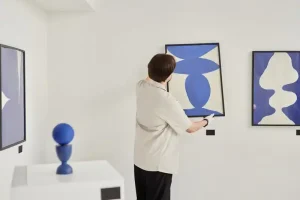
Despite the rise of digital media and interactive installations, paintings continue to play a central role in modern art exhibitions. Contemporary painters experiment with color, texture, scale, and technique to create works that challenge conventional artistic expectations.
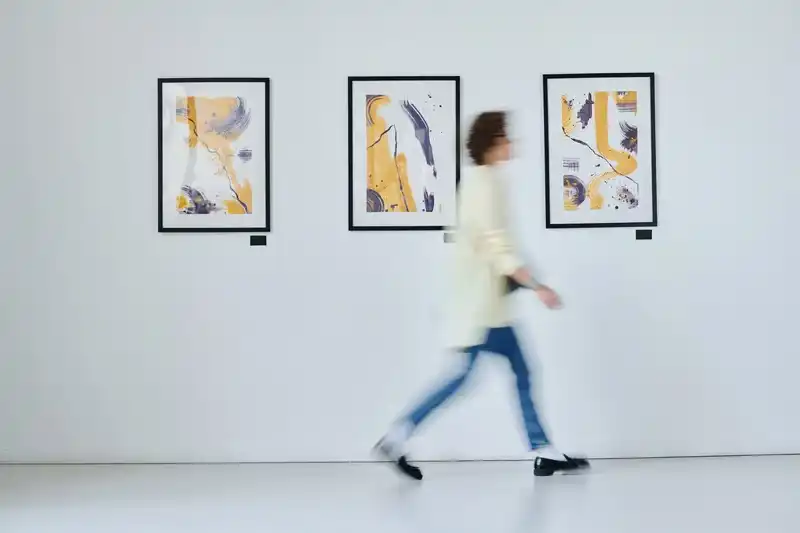
Abstract paintings remain particularly popular because they allow viewers to interpret meaning based on personal experiences and emotions. Artists often use bold compositions, unconventional materials, and innovative techniques to explore themes ranging from human identity to political change.
Large-scale paintings frequently dominate gallery spaces due to their visual impact. These works can transform an exhibition environment, encouraging visitors to slow down and engage deeply with the artwork.
Even as technology reshapes artistic practices, painting remains one of the most influential forms represented in modern art exhibitions worldwide.
Sculpture and Three-Dimensional Artworks
Sculpture has evolved significantly within contemporary art. Modern sculptors use materials far beyond traditional marble and bronze, incorporating metal, glass, plastic, recycled materials, wood, and even organic substances.
Many modern art exhibitions feature sculptures that challenge perceptions of space and form. Some works are monumental in scale, while others are delicate and intimate. Artists often create pieces that invite viewers to walk around, through, or even interact with them.
Contemporary sculpture frequently addresses environmental concerns, urban development, and human relationships. By occupying physical space, sculptures provide a unique sensory experience that differs from two-dimensional artworks.
Their ability to engage audiences physically makes sculpture an essential component of many modern exhibition programs.
Installation Art and Immersive Experiences
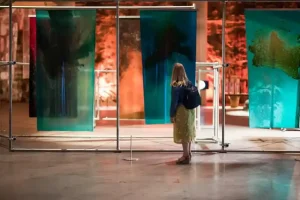
One of the defining characteristics of modern art exhibitions is the prominence of installation art. Unlike traditional artworks displayed on walls or pedestals, installations transform entire spaces into artistic environments.
Installation artists combine various elements such as objects, lighting, sound, projections, and architectural modifications to create immersive experiences. Visitors often become active participants rather than passive observers.
These artworks can evoke powerful emotional responses because they surround viewers completely. Some installations address social issues, while others focus on sensory exploration or conceptual storytelling.
The popularity of immersive exhibitions has grown significantly in recent years, demonstrating how audiences increasingly value experiences that engage multiple senses simultaneously.
Digital Art and Technological Innovation
Technology has revolutionized artistic expression, making digital creations a prominent feature of modern art exhibitions. Digital artists use software, algorithms, artificial intelligence, animation, and interactive systems to create innovative visual experiences.
Many contemporary galleries showcase digital projections, interactive screens, generative artworks, and augmented reality installations. These pieces often evolve in real time, responding to viewer interactions or environmental conditions.
The integration of technology enables artists to explore themes such as data privacy, artificial intelligence, virtual identity, and digital culture. Visitors gain insight into how technology influences modern life through creative interpretation.
As digital tools continue advancing, digital art is becoming increasingly influential within global modern art exhibitions.
Photography as Contemporary Fine Art
Photography occupies a significant place within today’s modern art exhibitions. Contemporary photographers move beyond traditional documentation to create highly conceptual and artistic works.
Photographic exhibitions may explore social issues, cultural identity, environmental concerns, and personal narratives. Many artists manipulate images digitally or combine photography with other mediums to create hybrid forms of expression.
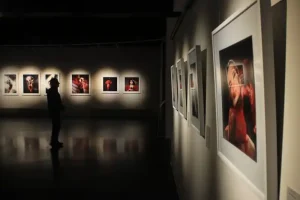
Large-format photographic prints often command attention in gallery spaces due to their visual impact and emotional depth. Documentary photography remains important, but contemporary artists increasingly use photography as a medium for storytelling and conceptual exploration.
This versatility makes photography one of the most accessible yet sophisticated art forms featured in modern exhibitions.
Performance Art and Live Artistic Expression
Performance art has become a distinctive component of many modern art exhibitions. Unlike static artworks, performance pieces unfold over time and often involve direct interaction between artists and audiences.
Performance artists use movement, speech, music, and physical actions to communicate ideas. These works may last a few minutes or continue for several hours, creating unique experiences for each audience.
The temporary nature of performance art challenges traditional ideas about ownership and permanence in art. Visitors become witnesses to events that cannot be replicated exactly.
By emphasizing human presence and real-time engagement, performance art expands the possibilities of creative expression within contemporary exhibition settings.
Video Art and Moving Image Installations
Video art has grown increasingly popular in modern art exhibitions due to advances in digital technology and display systems. Artists use moving images to explore narratives, emotions, social commentary, and experimental visual concepts.
Unlike traditional filmmaking, video art often prioritizes artistic expression over conventional storytelling. Works may feature abstract imagery, documentary footage, animation, or conceptual sequences.
Many exhibitions dedicate entire rooms to video installations, allowing visitors to immerse themselves in carefully curated audiovisual experiences. Sound design frequently plays an important role in enhancing emotional impact.
The combination of visual and auditory elements makes video art a powerful medium for communicating complex ideas.
Mixed Media and Experimental Art Forms
Contemporary artists increasingly blur the boundaries between disciplines, making mixed media one of the most common categories found in modern art exhibitions. Mixed media artworks combine multiple materials and techniques within a single piece.
An artist might integrate painting, photography, sculpture, textiles, and digital elements to create a unified work. This approach encourages experimentation and allows creators to communicate ideas through diverse visual languages.
Mixed media reflects the interconnected nature of contemporary culture, where information, technology, and creative influences constantly overlap.
The flexibility of this medium enables artists to develop highly original works that challenge traditional artistic classifications.
Interactive Art and Audience Participation
Audience participation has become a defining trend in many modern art exhibitions. Interactive artworks encourage visitors to engage directly with creative pieces rather than simply observing them.
Some installations respond to touch, movement, or sound. Others invite viewers to contribute content, alter visual elements, or become part of the artwork itself. This collaborative approach creates unique experiences for every participant.
Interactive art reflects broader cultural shifts toward engagement, personalization, and digital connectivity. Visitors often feel more emotionally invested when they actively influence the artwork’s outcome.
As technology continues evolving, interactive experiences are likely to play an even larger role in future exhibitions.
Environmental and Sustainability-Focused Art
Environmental awareness has become a major theme within modern art exhibitions. Artists increasingly use their work to address climate change, biodiversity loss, pollution, and sustainable living.
Many environmental artworks incorporate recycled materials, natural elements, or renewable resources. Others use visual storytelling to highlight ecological challenges and inspire positive action.
These exhibitions encourage visitors to reflect on humanity’s relationship with the natural world. By combining creativity with environmental advocacy, artists contribute to important global conversations.
The growing popularity of sustainability-focused exhibitions reflects increasing public concern about environmental issues worldwide.
Cultural Identity and Social Commentary
Many artworks featured in modern art exhibitions explore themes of identity, diversity, migration, gender, and social justice. Contemporary artists often draw from personal experiences and cultural backgrounds to create meaningful narratives.
These works provide opportunities for dialogue and understanding across different communities. Through visual expression, artists address complex issues that influence modern society.
Exhibitions centered on cultural identity frequently challenge stereotypes and encourage visitors to consider perspectives different from their own. This educational dimension enhances the social relevance of contemporary art.
As societies become increasingly interconnected, these themes continue shaping artistic practices around the world.
The Rise of Immersive Art Spaces
One of the most significant developments in recent years has been the emergence of immersive environments within modern art exhibitions. These experiences combine digital projections, soundscapes, lighting effects, and interactive technologies to create fully enveloping artistic worlds.
Visitors no longer simply view artworks from a distance. Instead, they walk through environments that stimulate multiple senses simultaneously. These exhibitions have attracted large audiences because they offer memorable and highly shareable experiences.
Immersive art demonstrates how contemporary artists continue redefining the relationship between artwork and audience.
The popularity of these exhibitions suggests that experiential engagement will remain a major trend in the future of modern art.
Why Modern Art Exhibitions Continue to Evolve
The diversity found in modern art exhibitions reflects the constantly changing nature of contemporary society. New technologies, cultural shifts, social movements, and environmental challenges continually inspire artists to experiment with new forms of expression.
Curators and institutions increasingly prioritize inclusivity, innovation, and audience engagement. As a result, exhibitions are becoming more accessible, interactive, and globally connected.
Artists today have unprecedented access to creative tools and international audiences. This freedom encourages collaboration across disciplines and cultures, leading to increasingly diverse artistic practices.
The evolution of modern art ensures that exhibitions remain relevant, thought-provoking, and reflective of contemporary life.
Conclusion
The world of modern art exhibitions is remarkably diverse, encompassing paintings, sculptures, photography, installations, digital art, video works, performance pieces, mixed media creations, and immersive experiences. Each category offers unique opportunities for artistic expression and audience engagement.
What makes contemporary exhibitions particularly compelling is their willingness to embrace experimentation and challenge conventional boundaries. Artists use innovative materials, technologies, and concepts to explore issues that matter in today’s world.
Whether visiting a museum, gallery, art fair, or immersive exhibition, audiences encounter creative works that encourage reflection, conversation, and emotional connection. As artistic practices continue evolving, modern art exhibitions will remain important cultural spaces where creativity, innovation, and human experience intersect.
Frequently Asked Questions
What types of artworks are most common in modern art exhibitions?
Modern art exhibitions commonly feature contemporary paintings, sculptures, photography, installation art, digital artworks, video art, performance pieces, and mixed media creations. These diverse forms reflect current artistic trends and allow artists to explore complex social, cultural, and technological themes through innovative creative approaches.
Why are installation artworks popular in modern art exhibitions?
Installation artworks are popular because they create immersive experiences that engage viewers physically and emotionally. Rather than observing from a distance, visitors become part of the environment, making the artwork more memorable and impactful while encouraging deeper interaction with artistic concepts and themes.
Do modern art exhibitions include digital and AI-generated art?
Yes, many modern art exhibitions feature digital art, AI-generated creations, interactive media, and virtual reality experiences. These works reflect the growing influence of technology on contemporary culture and demonstrate how artists use innovative tools to expand creative possibilities and audience engagement.
How do modern art exhibitions differ from traditional art exhibitions?
Modern art exhibitions often emphasize experimentation, conceptual ideas, audience participation, and contemporary issues. Traditional exhibitions typically focus on historical artworks and classical techniques, while modern exhibitions embrace diverse mediums, emerging technologies, and innovative approaches to artistic expression and storytelling.
Are modern art exhibitions suitable for first-time visitors?
Absolutely. Modern art exhibitions are designed to encourage exploration and personal interpretation. Visitors do not need specialized art knowledge to enjoy them. Many exhibitions provide educational materials, guided tours, and interactive elements that help newcomers understand and appreciate contemporary artistic practices.