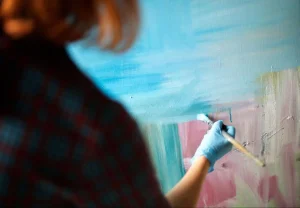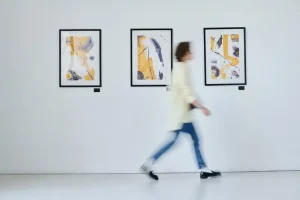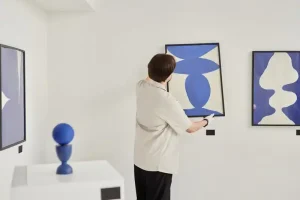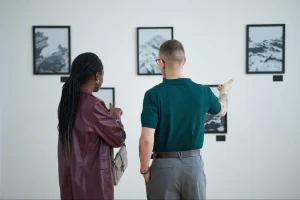
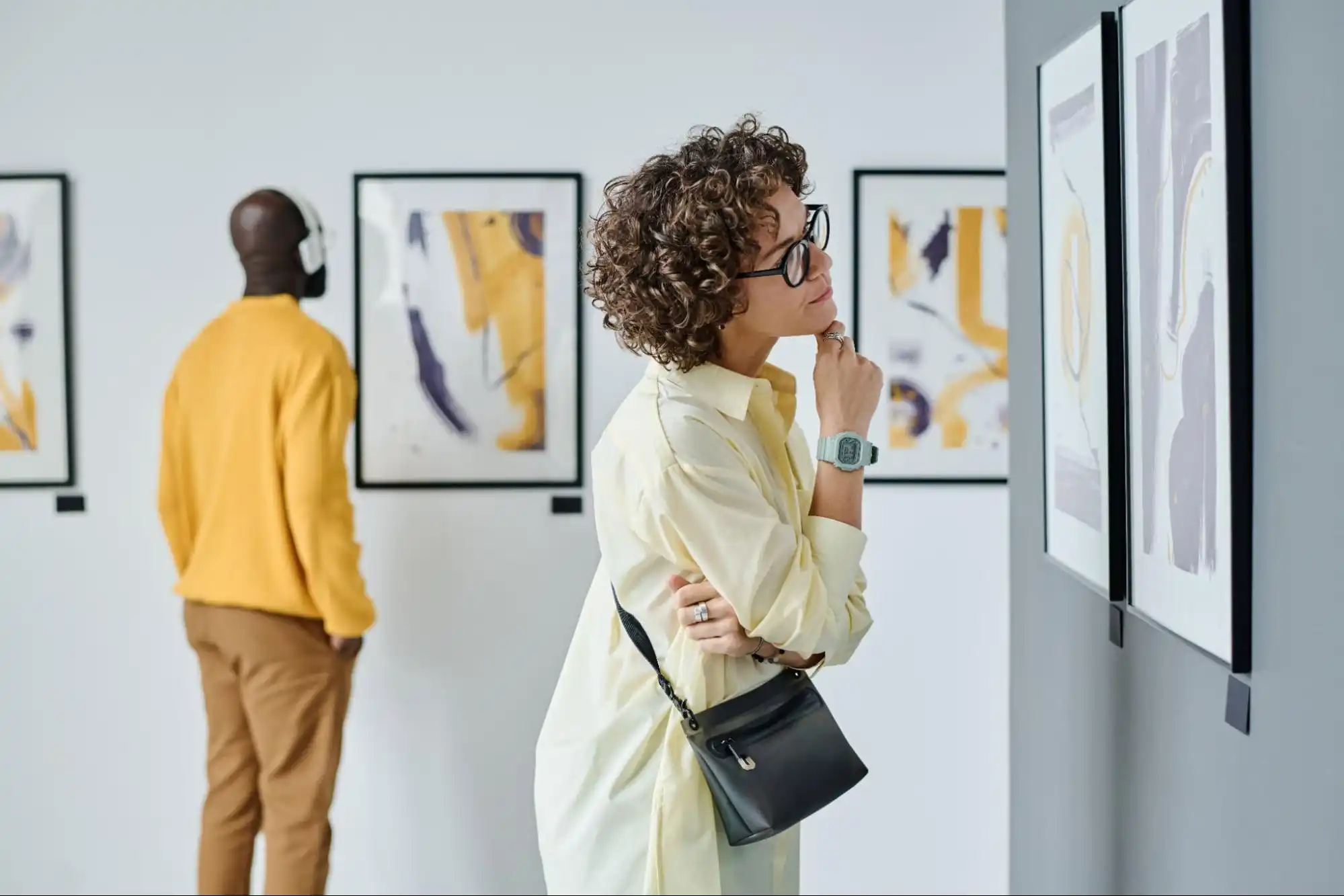
Art galleries are no longer quiet, static spaces reserved for a niche audience. They have transformed into dynamic cultural hubs that constantly evolve with technology, global trends, and shifting audience expectations. The art gallery updates latest reveal a world that is more interactive, inclusive, and innovative than ever before. From immersive exhibitions to digital integrations, galleries are redefining how art is experienced and understood. Today’s audience is not just looking at art; they want to feel it, question it, and connect with it on a deeper level. This shift has pushed galleries to rethink everything from curation to presentation. As a result, staying updated with the latest developments is essential for artists, collectors, and enthusiasts alike. These updates are not just trends; they reflect a broader transformation in the global art ecosystem.
A Shift Toward Experiential Exhibitions
The traditional gallery model focused heavily on observation. Visitors walked through silent halls, viewing artworks from a distance. That model is rapidly changing. Galleries are now designing experiences that engage multiple senses and create lasting impressions.
Immersive Installations Redefining Engagement
Immersive exhibitions have become a defining feature of modern galleries. These installations combine visual art with sound, light, and sometimes even scent to create an environment that surrounds the viewer. Instead of simply observing a painting, visitors step into a narrative space where they become part of the artwork itself.
This approach has proven particularly effective in attracting younger audiences who seek meaningful and memorable experiences. It also allows artists to push creative boundaries and experiment with new forms of expression.
Interactive Displays and Audience Participation
Interactivity is another major development highlighted in art gallery updates latest. Visitors are encouraged to engage directly with the artwork, whether through touch, digital interfaces, or participatory elements. This creates a sense of ownership and personal connection, making the experience more impactful.
Digital Transformation in Art Galleries
Technology is playing a central role in reshaping galleries. From virtual tours to blockchain-based ownership, the digital revolution has opened new possibilities for both artists and audiences.
Virtual Galleries Expanding Accessibility
Virtual exhibitions have become increasingly popular, allowing people from around the world to explore galleries without physical limitations. This has made art more accessible and inclusive, breaking down geographical barriers.
For many galleries, virtual spaces are not just temporary solutions but permanent extensions of their physical locations. They offer curated experiences that replicate, and sometimes enhance, the in-person visit.
The Rise of Digital Art and NFTs
Digital art has gained significant recognition, with galleries dedicating entire sections to this medium. Non-fungible tokens have also introduced new ways of buying and selling art, providing artists with greater control over their work.
While the NFT market has seen fluctuations, its impact on the art world remains undeniable. It has challenged traditional notions of ownership and authenticity, prompting galleries to adapt and innovate.
Globalization of the Art Scene
Art galleries are no longer confined by local boundaries. The global exchange of ideas and cultures has enriched the art world, making it more diverse and interconnected.
Cross-Cultural Collaborations
Collaborations between artists from different regions have become more common. These partnerships bring unique perspectives and create works that resonate with a broader audience. Galleries are actively promoting such collaborations to foster cultural dialogue.
International Art Fairs and Traveling Exhibitions
Traveling exhibitions allow artworks to reach audiences in multiple locations. This not only increases exposure for artists but also provides audiences with access to global art trends. International art fairs continue to play a crucial role in connecting galleries, collectors, and artists from around the world.
Sustainability and Ethical Practices in Galleries
Sustainability has become a key focus in recent years. Galleries are increasingly aware of their environmental impact and are taking steps to reduce it.
Eco-Friendly Exhibition Practices
From using sustainable materials to reducing energy consumption, galleries are adopting eco-friendly practices. These efforts reflect a broader commitment to environmental responsibility within the art community.
Supporting Ethical Art Production
There is also a growing emphasis on ethical sourcing and fair compensation for artists. Galleries are becoming more transparent about their practices, ensuring that artists receive proper recognition and support.
Changing Role of Curators in Modern Galleries
Curators are no longer just organizers of exhibitions. They have become storytellers, educators, and cultural mediators.
Curation as Narrative Building
Modern curation focuses on creating a cohesive narrative that connects artworks. This approach helps visitors understand the context and significance of each piece, enhancing their overall experience.
Engaging Diverse Audiences
Curators are also working to make galleries more inclusive. They are introducing themes and artists that reflect a wide range of perspectives, ensuring that more people feel represented and welcomed.
The Influence of Social Media on Gallery Trends
Social media has had a profound impact on how art is shared and consumed. Platforms like Instagram have become powerful tools for promoting exhibitions and reaching new audiences.
Art as a Shareable Experience
Galleries are designing spaces with social media in mind. Visually striking installations and photogenic displays encourage visitors to share their experiences online, increasing visibility and engagement.
Building Digital Communities
Social media also allows galleries to build communities around their work. They can interact directly with audiences, gather feedback, and create a sense of connection that extends beyond the physical space.
Emerging Artists and New Voices
One of the most exciting aspects of recent updates is the increased focus on emerging artists. Galleries are actively seeking fresh talent and providing platforms for new voices.
Opportunities for Young Creators
Many galleries now host open calls and residency programs to discover new artists. These initiatives provide valuable opportunities for exposure and professional growth.
Diversity in Artistic Expression
The art world is becoming more inclusive, with greater representation of different cultures, identities, and perspectives. This diversity enriches the creative landscape and makes art more relatable to a wider audience.
Art Market Trends and Collector Behavior
The art market is constantly evolving, influenced by economic conditions, technological advancements, and changing tastes.
Shifts in Buying Patterns
Collectors are becoming more informed and selective. They are interested in artworks that offer both aesthetic value and cultural significance. Digital platforms have also made it easier to research and purchase art.
Investment Potential of Art
Art is increasingly seen as an investment. Galleries play a crucial role in guiding collectors and providing insights into market trends. This has added a new dimension to the relationship between art and commerce.
Expert Insight: Navigating the Changing Gallery Landscape
Experts emphasize the importance of adaptability in today’s art world. Galleries that embrace change and innovation are more likely to thrive. This includes investing in technology, supporting diverse artists, and creating meaningful experiences for visitors. Another key piece of advice is to focus on authenticity. While trends are important, galleries should stay true to their vision and values. This builds trust and credibility, which are essential for long-term success. Professionals also highlight the importance of collaboration. Working with artists, curators, and other institutions can lead to more impactful and engaging exhibitions.
Challenges Facing Modern Art Galleries
Despite the exciting developments, galleries face several challenges. These include financial pressures, competition from digital platforms, and the need to constantly innovate. Balancing tradition with modernity is another challenge. While embracing new trends, galleries must also preserve the essence of art and its cultural significance. Adapting to changing audience expectations requires continuous effort and creativity. However, these challenges also present opportunities for growth and transformation.
Looking Ahead: The Future of Art Galleries
The future of art galleries is both exciting and unpredictable. As technology continues to evolve, new possibilities will emerge. Virtual reality, artificial intelligence, and other innovations are likely to play a significant role in shaping the next phase of the art world. At the same time, the human connection to art will remain central. Galleries will continue to serve as spaces where people can explore creativity, reflect on ideas, and connect with others. The art gallery updates latest suggest a future that is more inclusive, interactive, and inspiring. It is a future where art is not just seen but experienced in profound and meaningful ways.
FAQs
1. What are the most important recent changes in art galleries?
Recent changes include the rise of immersive exhibitions, digital integration, and increased focus on inclusivity. Galleries are becoming more interactive and accessible, offering experiences that go beyond traditional art viewing.
2. How has technology influenced modern art galleries?
Technology has introduced virtual tours, digital art, and online marketplaces. It has expanded access to art and allowed galleries to reach global audiences, transforming how art is experienced and shared.
3. Why are emerging artists gaining more attention now?
Galleries are prioritizing diversity and fresh perspectives. Supporting emerging artists brings new ideas into the art world and helps create a more inclusive and dynamic creative environment.