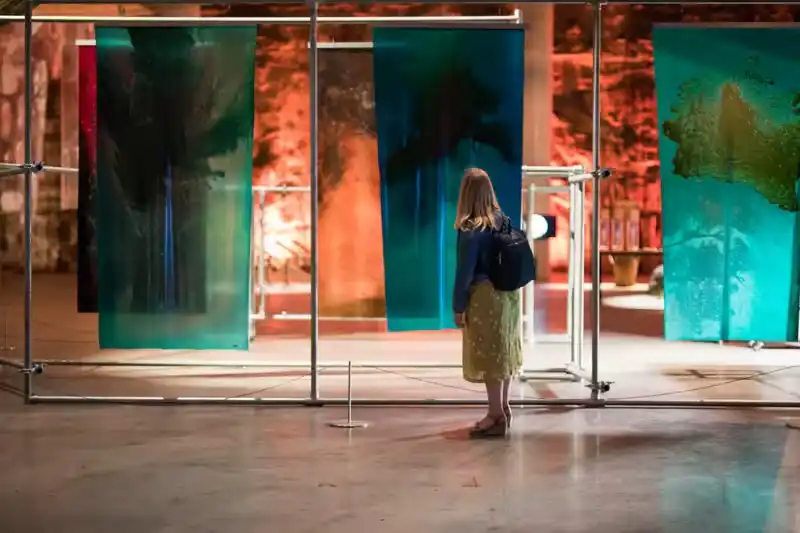
Art exhibitions are no longer just rooms filled with framed works and sculptures. They have become carefully designed experiences that guide emotion, interpretation, and engagement. Today, museums and galleries compete not only on the quality of their collections but also on how powerfully they present them.
At the center of this transformation is art exhibition design, which now blends storytelling, architecture, technology, and psychology. The goal is no longer just to display art but to create an environment where visitors feel part of the narrative.
Audiences today expect more than passive observation. They want interaction, immersion, and meaning. This shift is forcing curators and designers to rethink how space, light, and movement shape the experience of art.
From object display to immersive storytelling environments
Traditional exhibitions often focused on presenting artworks in a neutral space. White walls, minimal distractions, and linear layouts were considered ideal. While this approach still exists, modern exhibition design is moving toward immersive storytelling.
Instead of isolated pieces, exhibitions are now structured as journeys. Visitors move through narratives that connect artworks thematically, emotionally, or historically. In this model, art exhibition design becomes a form of spatial storytelling.
The exhibition space itself becomes part of the artwork. Lighting, sound, and architecture are used intentionally to shape interpretation and emotional response.
Key storytelling techniques in exhibitions
Curators now carefully sequence artworks to guide emotional progression. Room transitions are designed to shift tone or perspective. Light and sound are used to reinforce themes or highlight specific moments in the exhibition journey.
Interactive and participatory exhibition experiences
Modern audiences expect engagement, not just observation. Passive viewing is being replaced by interactive participation. This shift is one of the strongest drivers of change in art exhibition design today.
Interactive exhibitions invite visitors to become part of the artwork. Instead of simply viewing, they touch, move, respond, or contribute to the experience. This creates stronger emotional connections and deeper understanding.
Participation also helps democratize art. Visitors are no longer outsiders but active contributors to meaning-making.
Types of interactive elements
Touch-responsive installations allow artworks to change based on physical contact. Motion-based systems respond to movement within the space. Some exhibitions even incorporate audience-generated content that becomes part of the display itself.
Digital integration and hybrid exhibition formats
Technology has become a defining force in modern exhibition design. Digital tools are no longer optional additions but central components of art exhibition design strategies.
Augmented reality, projection mapping, and virtual environments are expanding what exhibitions can be. Visitors can now experience layered interpretations of artworks or explore digital extensions of physical pieces.
Hybrid exhibitions are also growing. These combine physical gallery visits with online access, making exhibitions available to global audiences.
Technologies shaping modern exhibitions
Augmented reality adds digital layers to physical artworks. Virtual walkthroughs allow remote access to exhibitions. Projection mapping transforms entire walls or rooms into dynamic visual environments.
Minimalist spatial design and visual clarity
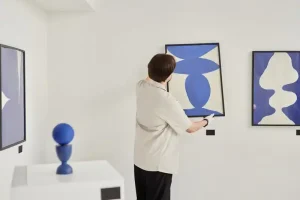
While technology is expanding possibilities, many exhibitions are also embracing minimalism. Clean, uncluttered spaces help direct attention toward the artwork itself.
In modern art exhibition design, minimalism is not about emptiness but intention. Every element in the space must serve a purpose. This approach reduces distraction and enhances focus.
Minimalist design also creates emotional calm. It allows visitors to engage with art without visual overload.
Minimalist design principles in practice
Neutral color palettes ensure artworks remain the focal point. Lighting is carefully controlled to avoid distraction. Architectural lines are kept clean and unobtrusive to support visual clarity.
Sustainability in exhibition design practices
Sustainability has become a major priority in cultural institutions. Exhibitions are now designed with environmental responsibility in mind.
In art exhibition design, sustainability influences materials, lighting, construction methods, and even exhibition lifecycle planning. Temporary exhibitions especially benefit from reusable and modular systems.
Eco-conscious design is not only ethical but also cost-effective in the long term.
Sustainable strategies in galleries
Recycled materials are increasingly used for display structures. LED lighting systems reduce energy consumption. Waste reduction strategies are applied during installation and dismantling processes.
Flexible and modular exhibition layouts
Modern exhibitions need to be adaptable. Museums and galleries frequently rotate exhibitions, requiring spaces that can change quickly.
Modular design allows curators to reconfigure layouts without major construction. This flexibility is now a core principle of art exhibition design.
Adaptability also supports diverse types of artworks, from large installations to digital pieces.
Benefits of modular design
Modular systems reduce installation time. They lower operational costs for institutions. They also allow curators to experiment with different spatial arrangements.
Multi-sensory exhibition environments
Art is no longer experienced only through sight. Modern exhibitions engage multiple senses to create deeper emotional impact.
In art exhibition design, sound, scent, and texture are used to enhance interpretation and memory. This sensory layering makes exhibitions more immersive and memorable.
Multi-sensory design also helps communicate complex themes in more intuitive ways.
Sensory design techniques
Ambient soundscapes support thematic storytelling. Controlled scent systems enhance atmosphere and emotional tone. Textured surfaces invite tactile interaction where appropriate.
Light design as a curatorial tool
Lighting is one of the most powerful tools in exhibition design. It influences how artworks are perceived, interpreted, and emotionally received.
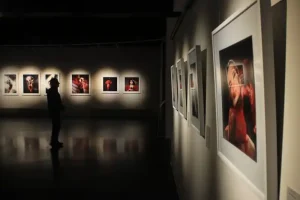
Modern art exhibition design uses lighting not just for visibility but for storytelling. Dynamic lighting systems can change the mood of a space in real time.
Proper lighting also balances preservation needs for sensitive artworks with visitor experience.
Lighting strategies in exhibitions
Spotlighting highlights key works. Ambient lighting shapes overall mood. Adjustable color temperature helps align lighting with thematic intent.
Architectural integration of exhibition spaces
Exhibition design is increasingly influenced by architecture. In many cases, the building itself becomes part of the exhibition experience.
Adaptive reuse of industrial or historic buildings is especially popular. These spaces add character and context to exhibitions.
In art exhibition design, architecture is no longer just a container but an active participant.
Architectural influences in design
Warehouse conversions create expansive exhibition spaces. Site-specific installations respond to architectural features. Structural elements are often incorporated into curatorial storytelling.
Community-centered and inclusive exhibition design
Modern exhibitions aim to be more inclusive and accessible. This includes both physical accessibility and cultural representation.
In art exhibition design, inclusivity ensures that diverse audiences can engage meaningfully with exhibitions. It also encourages broader participation in cultural conversations.
Accessibility is now considered a core design requirement rather than an optional feature.
Inclusive design approaches
Multilingual labels improve accessibility for international audiences. Barrier-free layouts support mobility needs. Sensory-friendly spaces help visitors with sensory sensitivities.
Data-driven curation and visitor analytics
Technology is also changing how exhibitions are designed behind the scenes. Museums now use data to understand visitor behavior.
In art exhibition design, analytics help improve layout efficiency, engagement levels, and visitor flow. This allows curators to make evidence-based decisions.
However, data use must be balanced with ethical considerations and visitor privacy.
Applications of data in design
Heat maps track visitor movement. Engagement data identifies popular exhibits. Flow analysis helps improve spatial planning.
Temporary and pop-up exhibition experiences
Short-term exhibitions are becoming more common. Pop-up formats allow curators to experiment with new ideas and reach different audiences.
These flexible formats are an important part of modern art exhibition design, especially in urban environments.
They also allow art to move beyond traditional museum spaces.
Why pop-up formats are growing
They reduce operational costs. They encourage creative experimentation. They activate underused urban spaces.
Art, technology, and AI-driven installations
Artificial intelligence is increasingly being used in exhibitions. AI-generated art and interactive systems are changing how visitors experience creativity.
In art exhibition design, technology is now a collaborative tool rather than just a display medium.
This fusion of art and technology creates dynamic, responsive environments.
Emerging tech in exhibitions
AI-generated visuals adapt in real time. Algorithm-based installations respond to visitor input. Interactive systems evolve based on audience behavior.
The future of art exhibition design
The future of exhibitions will likely combine physical and digital experiences seamlessly. Boundaries between curator, artist, and audience will continue to blur.
In art exhibition design, adaptability, interactivity, and emotional engagement will define success.
Climate-responsive systems and immersive digital environments will also become more common.
Future-focused trends
Hybrid digital-physical galleries will expand accessibility. Climate-responsive spaces will improve sustainability. Decentralized exhibitions will connect global audiences in real time.
Conclusion
Modern exhibitions are no longer about simply showing art. They are about creating experiences that engage emotion, thought, and interaction. The evolution of art exhibition design reflects a broader shift in how culture is shared and experienced.
As technology, sustainability, and audience expectations continue to evolve, exhibitions will become even more immersive and adaptive. The most successful spaces will be those that move beyond display and focus on participation, storytelling, and connection.