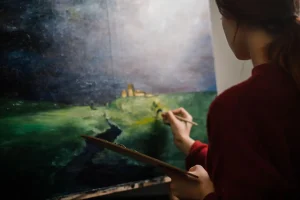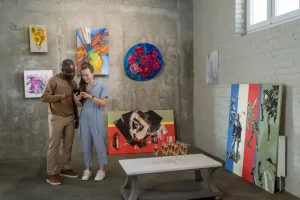

Art has always been a mirror of society, but in today’s rapidly changing world, that mirror feels more alive than ever. Contemporary artists are not just creators of visual beauty; they are storytellers, disruptors, and interpreters of the present moment. The importance of contemporary artists modern art lies in their ability to capture what it feels like to live in this era, with all its complexity, contradictions, and possibilities. Unlike classical or even early modern art, contemporary art is deeply rooted in current realities. It responds to social shifts, technological advancements, and cultural transformations as they unfold. This immediacy makes contemporary artists essential figures in shaping how we understand ourselves and the world around us. Their work is not confined to galleries; it resonates across communities, conversations, and global platforms.
A Reflection of Modern Society and Its Complexities
Contemporary artists act as observers of the present. They capture the nuances of modern life, from political tensions to personal identity, from environmental concerns to digital culture. Their work often challenges viewers to confront uncomfortable truths while also offering new perspectives.
Art as a Mirror of Social Change
In a world marked by constant change, contemporary art reflects shifting values and emerging narratives. Artists respond to issues such as inequality, migration, climate change, and cultural identity. Their work becomes a visual language that communicates ideas that words alone cannot fully express.
Capturing the Spirit of the Times
Every era has its defining artistic voice. Contemporary artists embody the spirit of today’s world, blending tradition with innovation. They experiment with new mediums, styles, and concepts, creating works that feel relevant and immediate.
Breaking Boundaries and Redefining Creativity
One of the most striking aspects of contemporary art is its refusal to follow rigid rules. Artists are constantly pushing boundaries, exploring new forms, and redefining what art can be.
Beyond Traditional Mediums
Contemporary artists are no longer limited to painting or sculpture. They use digital tools, installations, performance, and even virtual reality to express their ideas. This expansion of mediums has opened up endless possibilities for creativity.
Challenging Conventional Definitions of Art
The importance of contemporary artists modern art is also evident in how they question traditional definitions. What counts as art? Who decides its value? By challenging these questions, artists encourage audiences to think more critically about the role of art in society.
The Influence of Contemporary Artists on Culture
Art does not exist in isolation. It interacts with culture, shaping and being shaped by it. Contemporary artists play a crucial role in this dynamic relationship.
Shaping Public Discourse
Many contemporary artworks address pressing social issues, sparking conversations and debates. They bring attention to topics that might otherwise be overlooked, influencing public opinion and awareness.
Inspiring New Cultural Narratives
Through their work, artists contribute to the creation of new cultural narratives. They highlight diverse perspectives and challenge dominant viewpoints, making culture more inclusive and representative.
Global Connectivity and Cross-Cultural Dialogue
The modern art world is more interconnected than ever. Contemporary artists operate in a global context, drawing inspiration from different cultures and collaborating across borders.
Art Without Borders
Digital platforms and international exhibitions have made it easier for artists to reach global audiences. This has led to a rich exchange of ideas and styles, enriching the art world as a whole.
Blending Traditions and Innovations
Contemporary artists often combine traditional techniques with modern concepts. This fusion creates works that honor cultural heritage while also pushing it forward.
Economic and Market Impact of Contemporary Artists
The art market has evolved significantly, with contemporary artists playing a central role. Their work attracts collectors, investors, and institutions, contributing to the economic vitality of the art world.
Rising Demand for Contemporary Art
Collectors are increasingly drawn to contemporary works because they reflect current trends and ideas. This demand has elevated the status of contemporary artists and expanded their influence.
Art as an Investment and Cultural Asset
Contemporary art is not only valued for its aesthetic appeal but also for its potential as an investment. Galleries, auctions, and online platforms have created new opportunities for buying and selling art.
The Role of Technology in Contemporary Art
Technology has become an integral part of contemporary artistic practice. It has transformed how art is created, displayed, and experienced.
Digital Tools and Creative Freedom
Artists use software, digital platforms, and advanced technologies to experiment with new forms of expression. This has expanded the boundaries of what is possible in art.
Virtual Experiences and Accessibility
Virtual galleries and online exhibitions have made art more accessible. People can now explore artworks from anywhere in the world, breaking down traditional barriers.
Emerging Voices and Diversity in Modern Art
One of the most significant developments in contemporary art is the rise of diverse voices. Artists from different backgrounds are gaining recognition, bringing fresh perspectives to the forefront.
Representation and Inclusion
The importance of contemporary artists modern art is closely tied to their role in promoting representation. They highlight stories and experiences that have historically been marginalized.
New Perspectives Shaping the Future
These emerging voices are not just adding variety; they are reshaping the direction of modern art. Their work challenges existing norms and introduces new ways of thinking.
Emotional Connection and Audience Engagement
Contemporary art often seeks to create an emotional connection with the audience. It invites viewers to engage with the work on a personal level.
Art That Provokes Thought and Feeling
Many contemporary artworks are designed to evoke strong emotions. They challenge viewers to reflect on their own experiences and beliefs.
Interactive and Immersive Experiences
Modern exhibitions often include interactive elements that encourage participation. This makes the experience more engaging and memorable.
Expert Insight: Understanding the Value of Contemporary Artists
Experts in the art world emphasize that the value of contemporary artists goes beyond aesthetics. Their work serves as a record of our time, capturing the complexities of modern life. One key insight is that contemporary art should be approached with an open mind. It may not always be easy to understand, but its meaning often unfolds through reflection and engagement. Another important perspective is that supporting contemporary artists is essential for the growth of the art ecosystem. Collectors, institutions, and audiences all play a role in sustaining this vibrant community.
Challenges Faced by Contemporary Artists Today
Despite their importance, contemporary artists face numerous challenges. These include financial instability, competition, and the pressure to remain relevant in a fast-changing world. Balancing artistic integrity with market demands can be difficult. Artists must navigate these challenges while staying true to their vision. At the same time, the digital age has introduced new challenges, such as copyright issues and the need to maintain an online presence.
The Future of Contemporary Art and Its Creators
The future of contemporary art is full of possibilities. As technology continues to evolve, new forms of expression will emerge. Artists will continue to experiment, innovate, and push boundaries. At the heart of this evolution will be the human desire to create and connect. Contemporary artists will remain essential in shaping how we see the world and ourselves. Their work will continue to inspire, challenge, and transform, ensuring that art remains a vital part of human experience.
FAQs
1. Why are contemporary artists important in today’s art world?
Contemporary artists are important because they reflect current social, cultural, and technological realities. Their work captures the spirit of the present and influences how people understand modern issues and ideas.
2. How do contemporary artists influence modern culture?
They shape public discourse, highlight diverse perspectives, and inspire new cultural narratives. Their work often addresses important social issues, encouraging awareness and dialogue.
3. What challenges do contemporary artists face today?
Contemporary artists face challenges such as financial instability, competition, and the need to adapt to digital platforms. Balancing creativity with market demands is also a significant concern.